WHAT TO SEE IN TURIN: itineraries from 1 to 5 days The insider's guide to planning your perfect trip (stress-free)
Planning a visit to Turin can be overwhelming: Italy's first capital hides too much beauty to be summed up in a brochure. As the owner of a charming B&B and after a decade spent advising my guests, I created this guide to help you find your way.
But the best part comes at check-in: I personally hand you the city map and tell you about Turin through my own eyes. I listen to what you want to see, what you're passionate about, how much time you have, and together we build your tailor-made itinerary.
The secret to visiting Turin? Don't try to see everything. Choose the route that most closely matches your passions.
If you only have 24 hours in Turin, focus on the iconic landmarks. Starting from our B&B in the pre-hill area, cross the bridge and immerse yourself in the historic city centre.
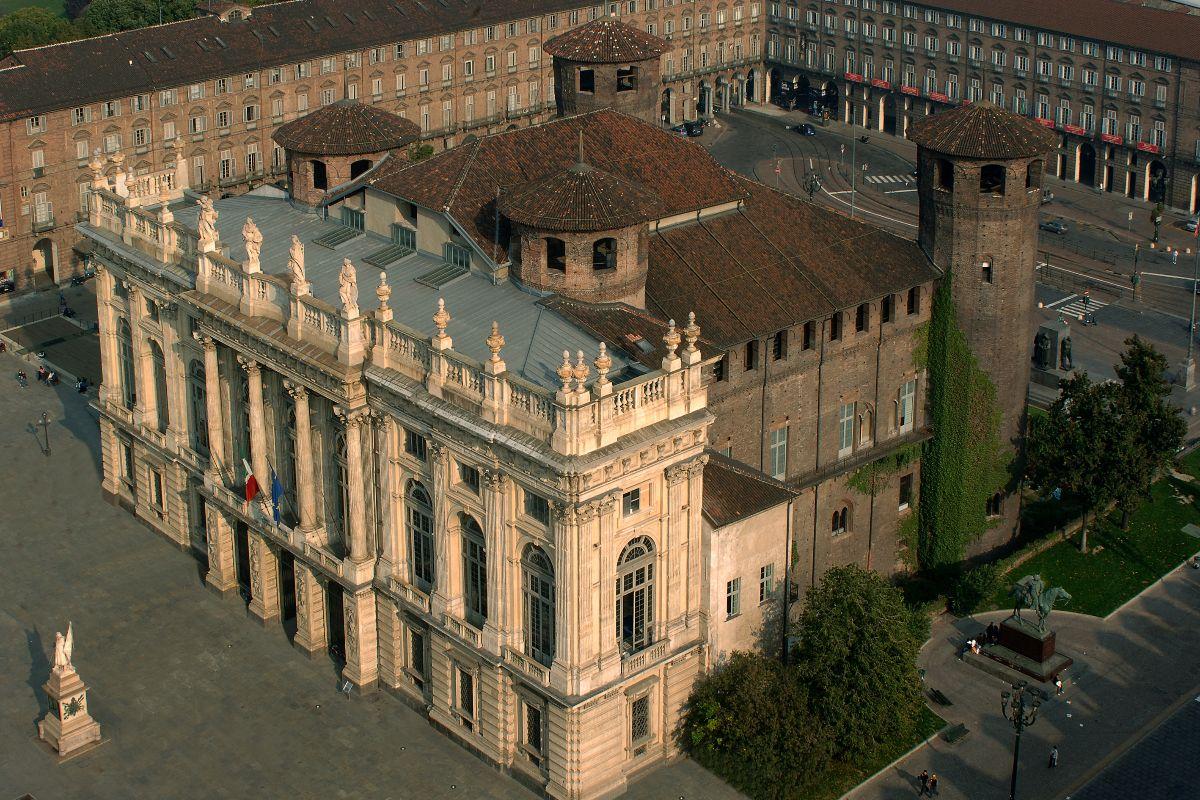
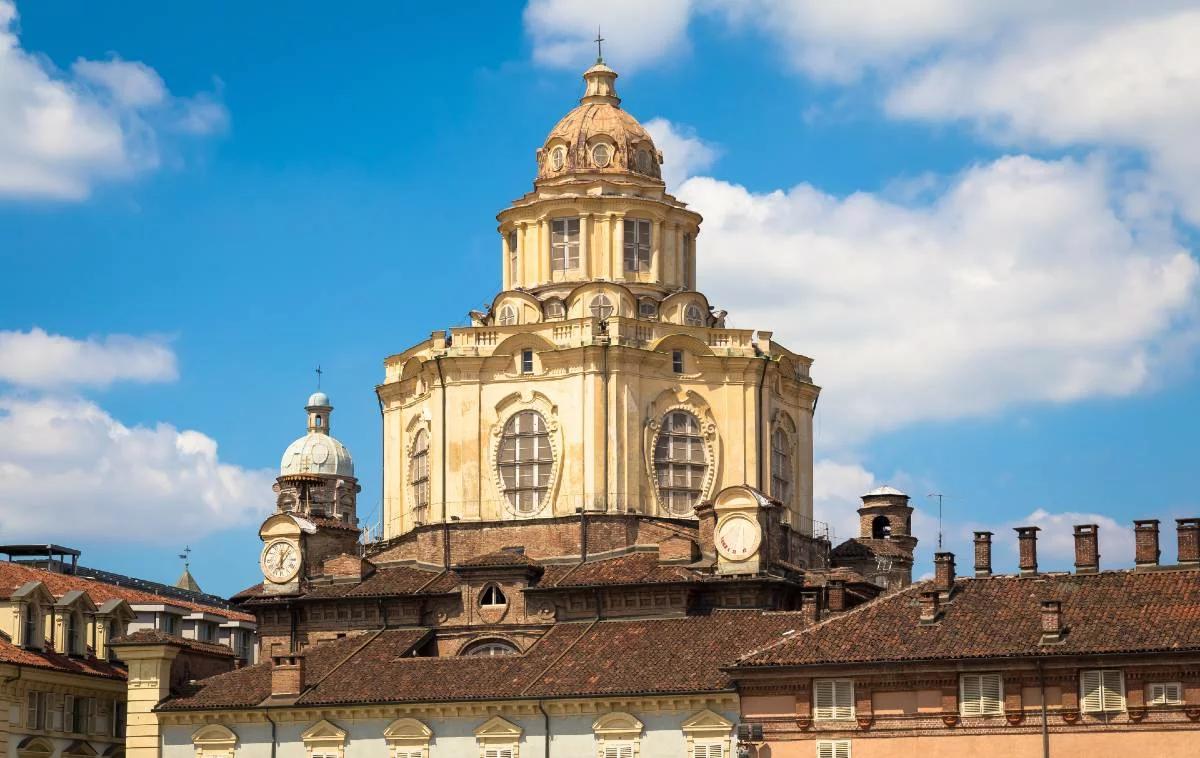
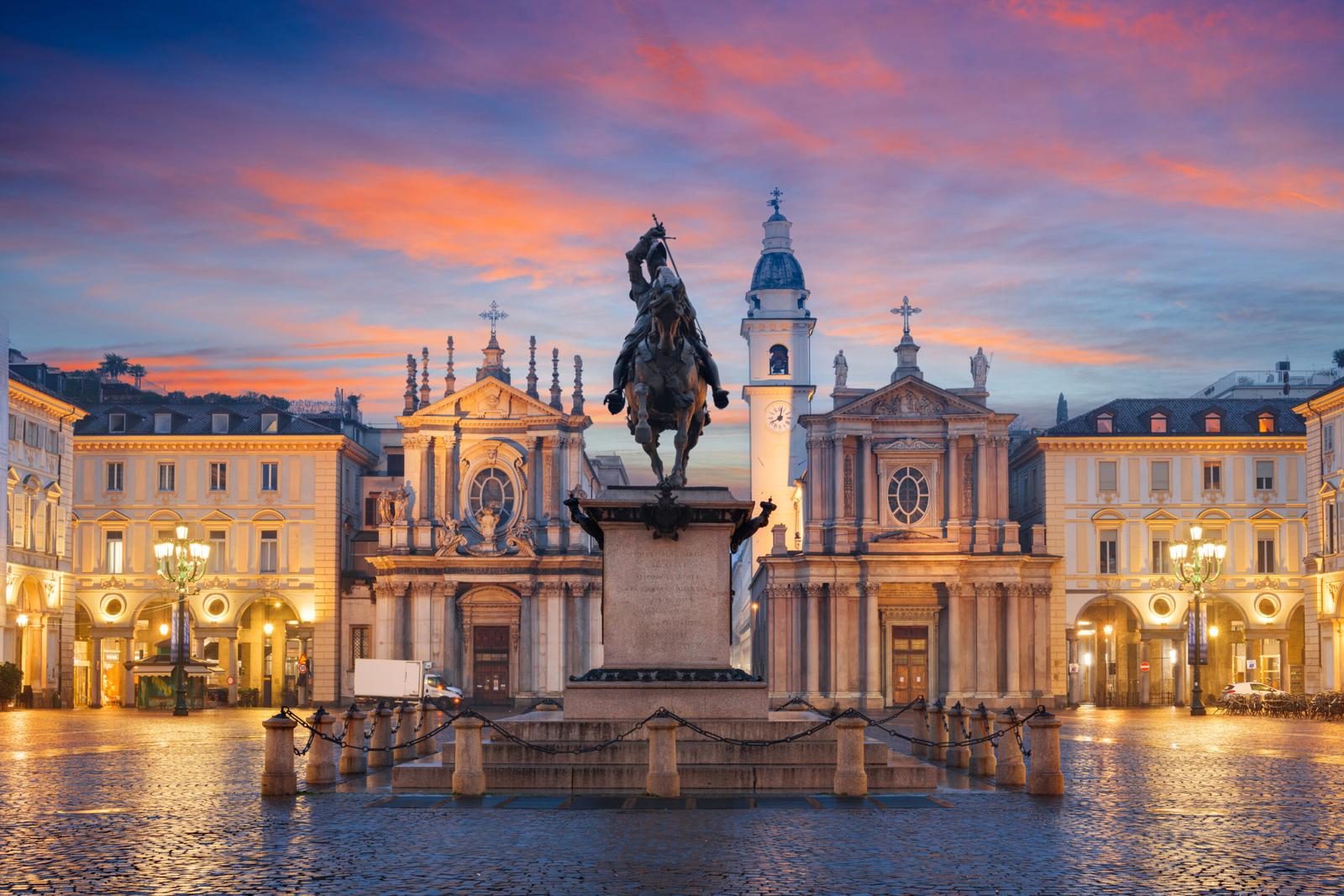
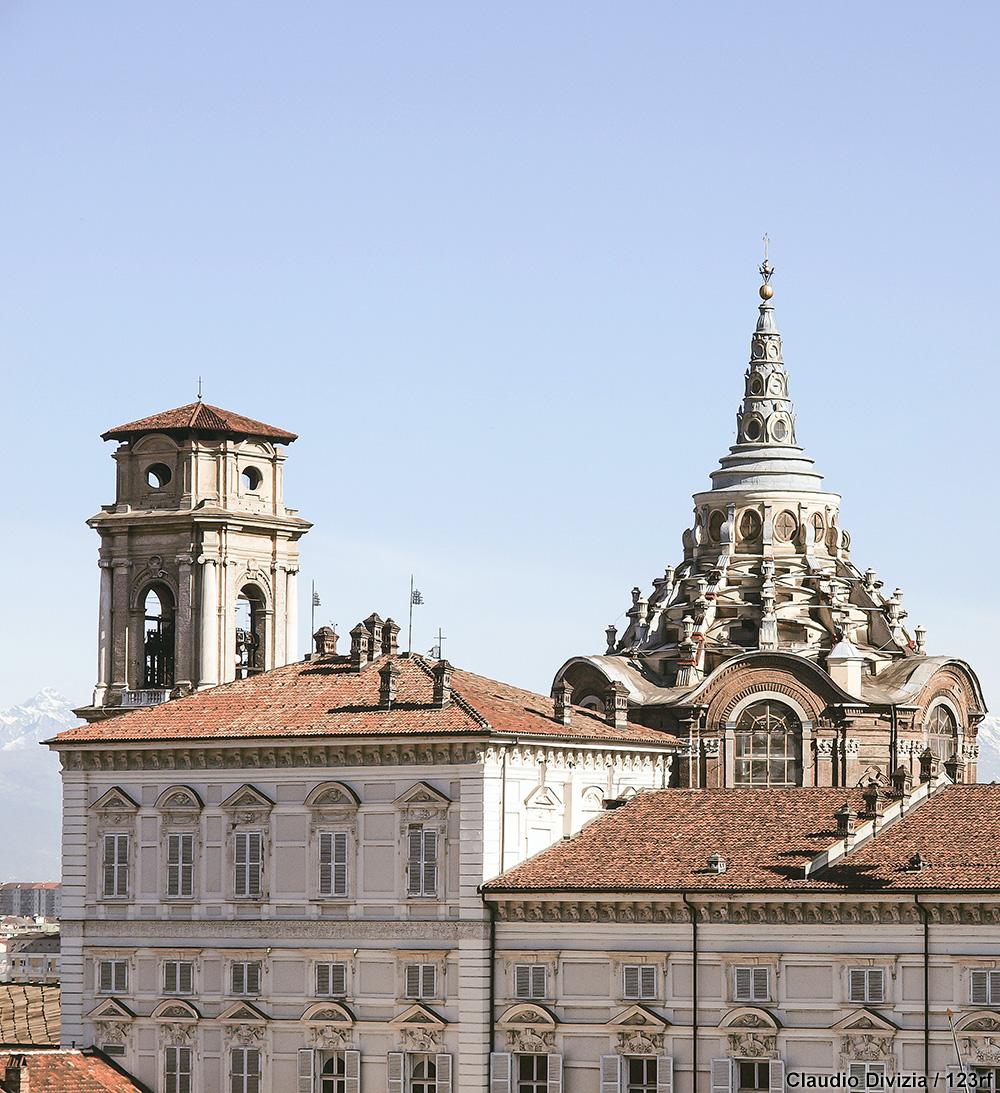
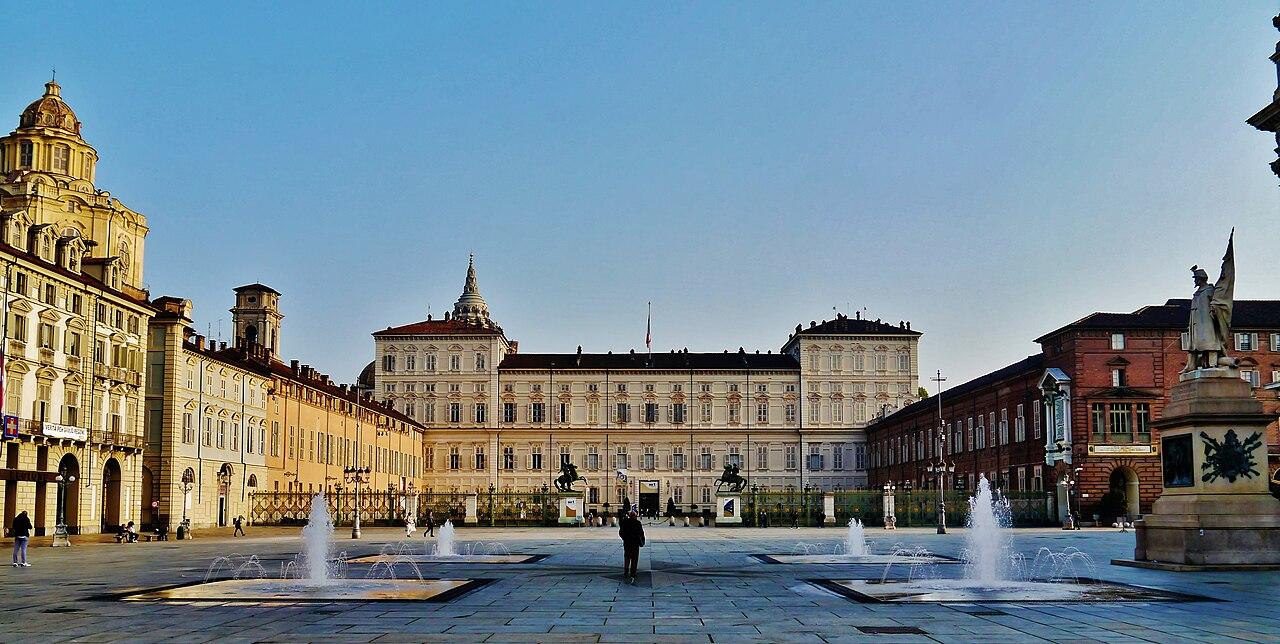
Morning: start at Piazza Castello, the heart of Savoy Turin. Here you’ll find the Royal Palace, residence of the House of Savoy, Palazzo Madama, which conceals the towers of a Roman gate behind its Baroque façade, and the Royal Church of San Lorenzo with its breathtaking dome by Guarini. Continue towards the scenic Piazza San Carlo, Turin’s “elegant drawing room”, with its twin churches and historic cafés beneath the arcades.
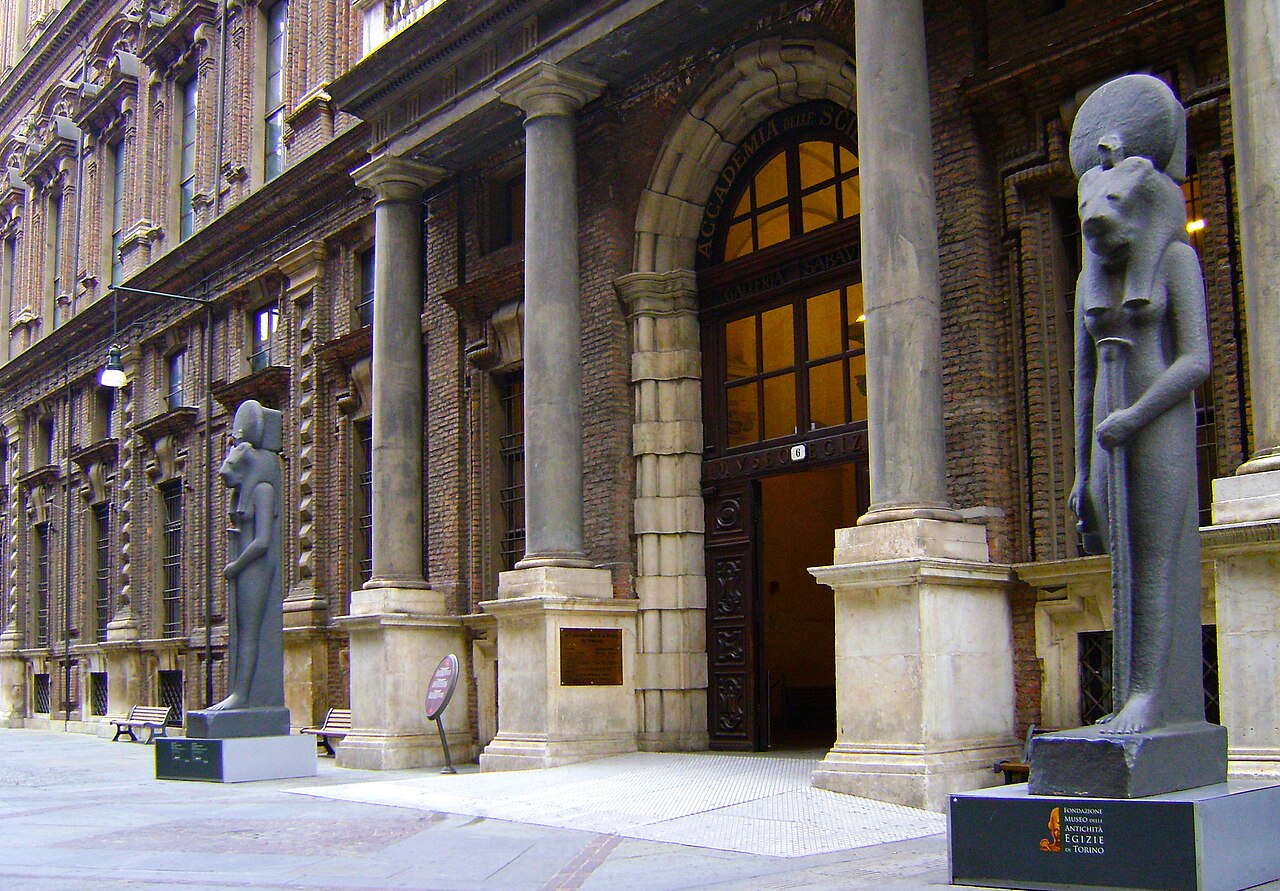
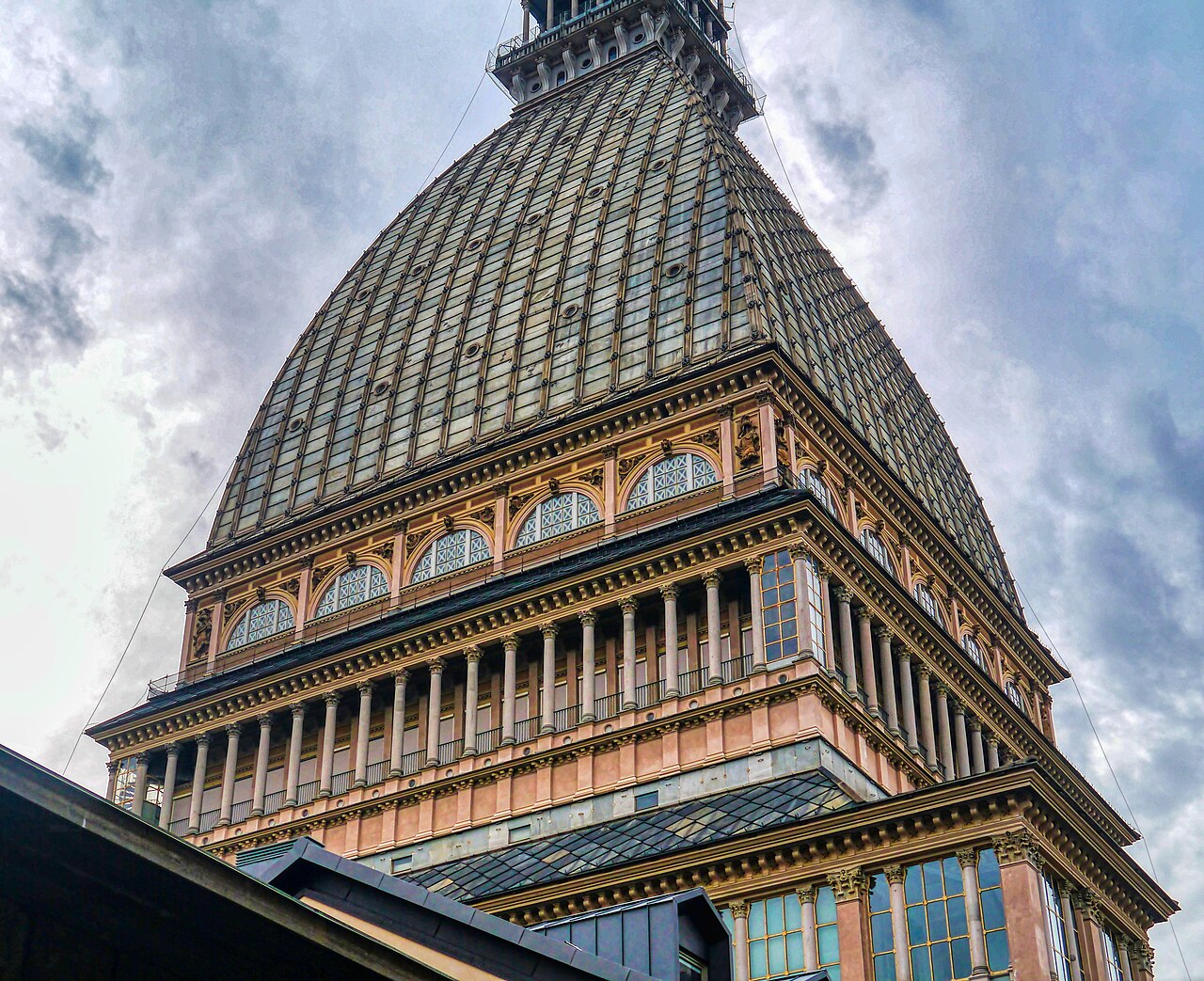
Afternoon: the Egyptian Museum is a must-see, the second most important Egyptian museum in the world after the one in Cairo. Dedicate at least 2 hours to the visit. After the museum, climb the Mole Antonelliana: the panoramic lift takes you up to 85 metres for a 360° view of the city and the Alps.
Host’s Tip: book your ticket for the Egyptian Museum at least a week in advance, especially if you’re coming at the weekend. The queues can be long and it would be a shame to waste precious time on the pavement.
The extra touch: if you want to make the most of every minute and discover the city’s Roman roots, including Porta Palatina, the Roman Theatre and the early Christian “Cathedral” (the remains of the early Christian churches that preceded it), follow my Ancient Turin Itinerary - Colazione da Augusta B&B. It’s a compact route that shows you the city’s historical layers in just a few hours.
Evening: aperitivo at one of the historic cafés, Caffè San Carlo or Caffè Mulassano, or, if you love mystery, an evening stroll towards the Devil’s Door and Piazza Statuto, the eerie landmarks of esoteric Turin.
With 48 hours in Turin the pace becomes more leisurely. You can dedicate the second day to discovering the city’s most authentic soul.
Day 1: follow the Day 1 programme, but at a more relaxed pace. Add a visit to the Chapel of the Holy Shroud, a masterpiece by Guarini, and a stroll beneath the 18 km of arcades, one of Turin’s most recognisable features.
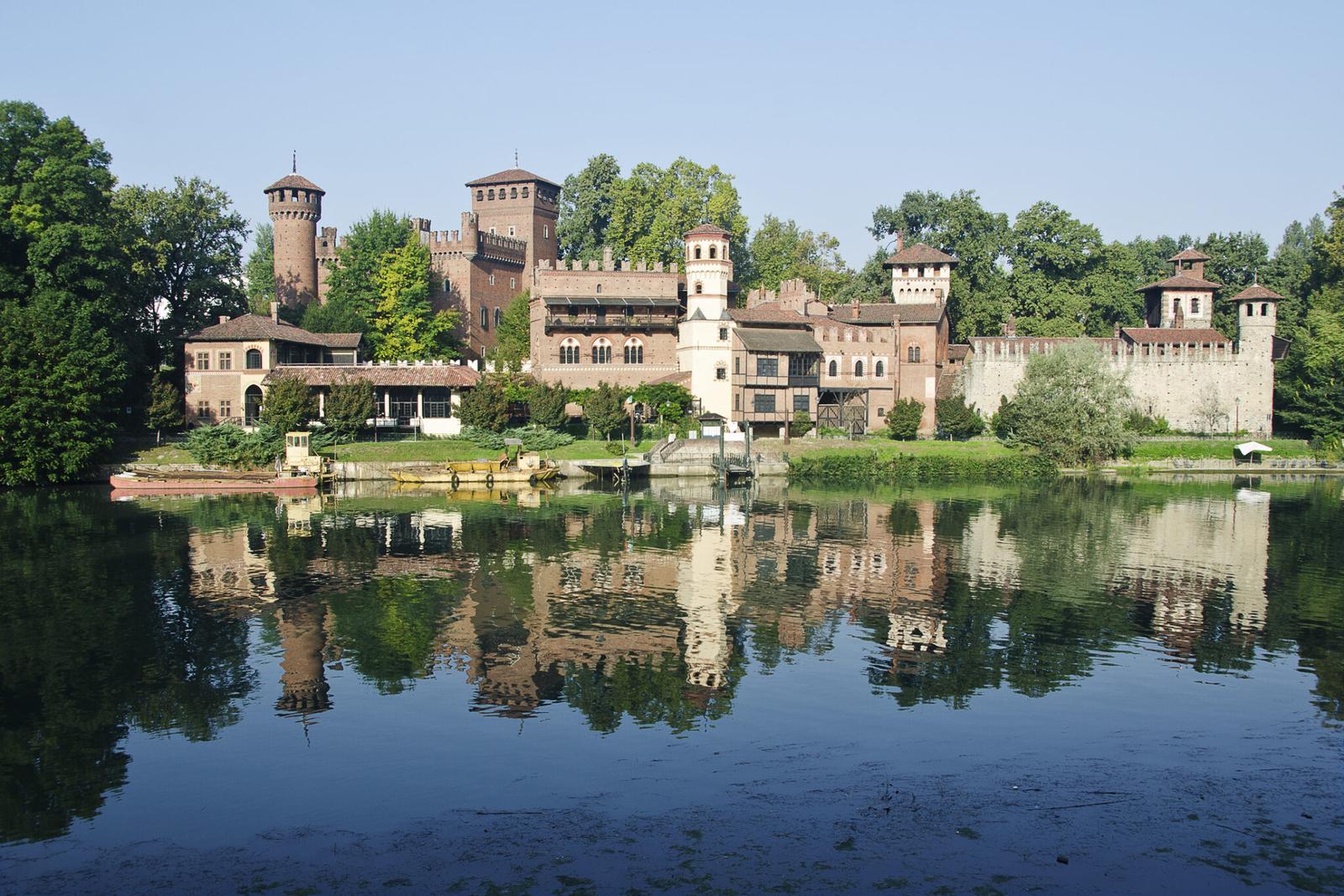
Day 2, morning: a relaxing walk in Parco del Valentino, the green lung along the Po river. Visit the Medieval Village, a nineteenth-century reconstruction perfect for photographs, and the Castello del Valentino, a UNESCO heritage site.
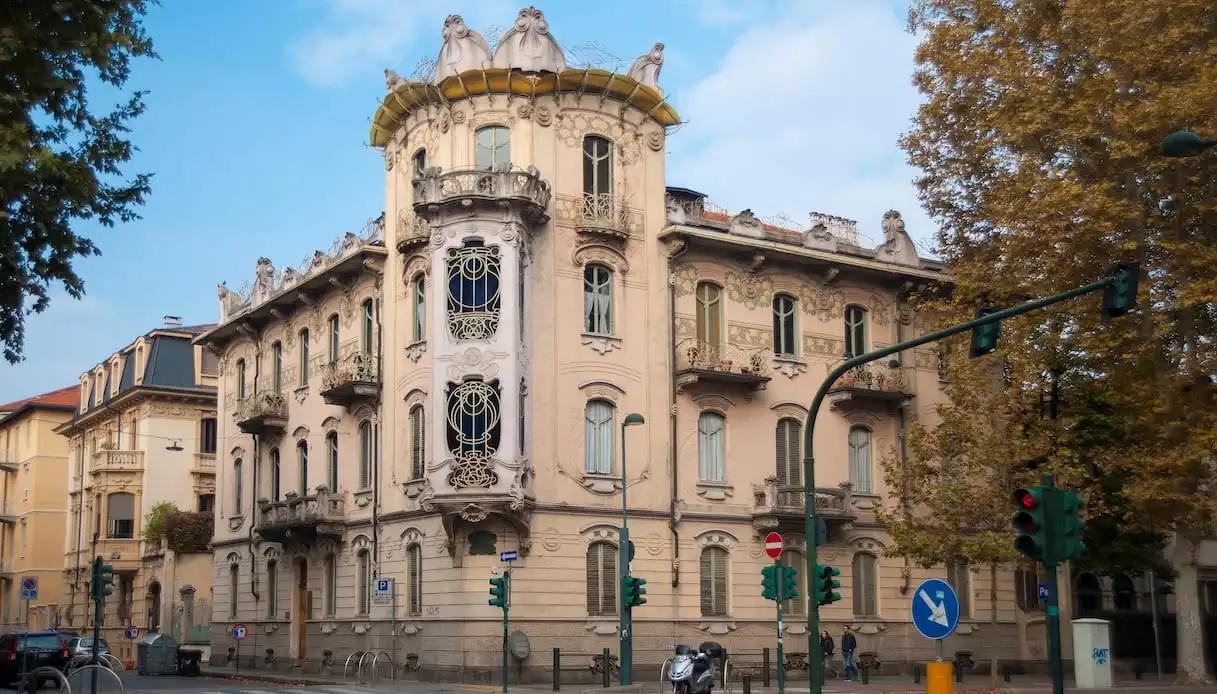
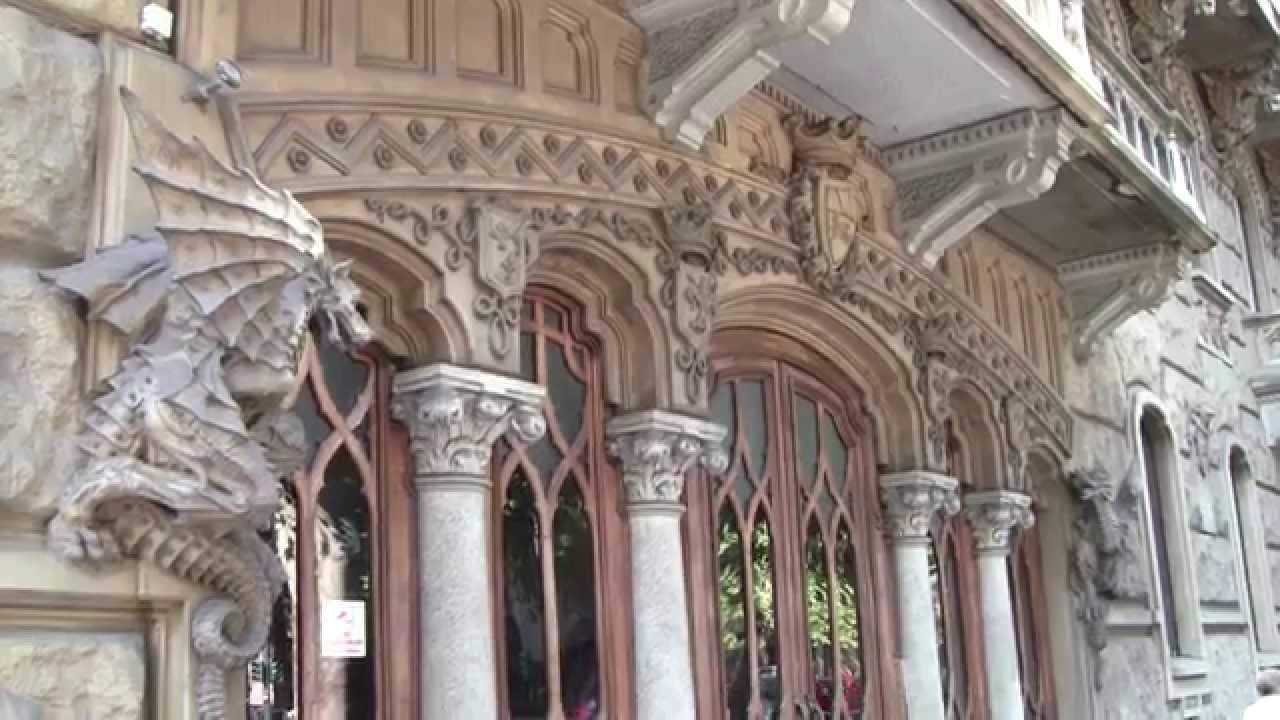
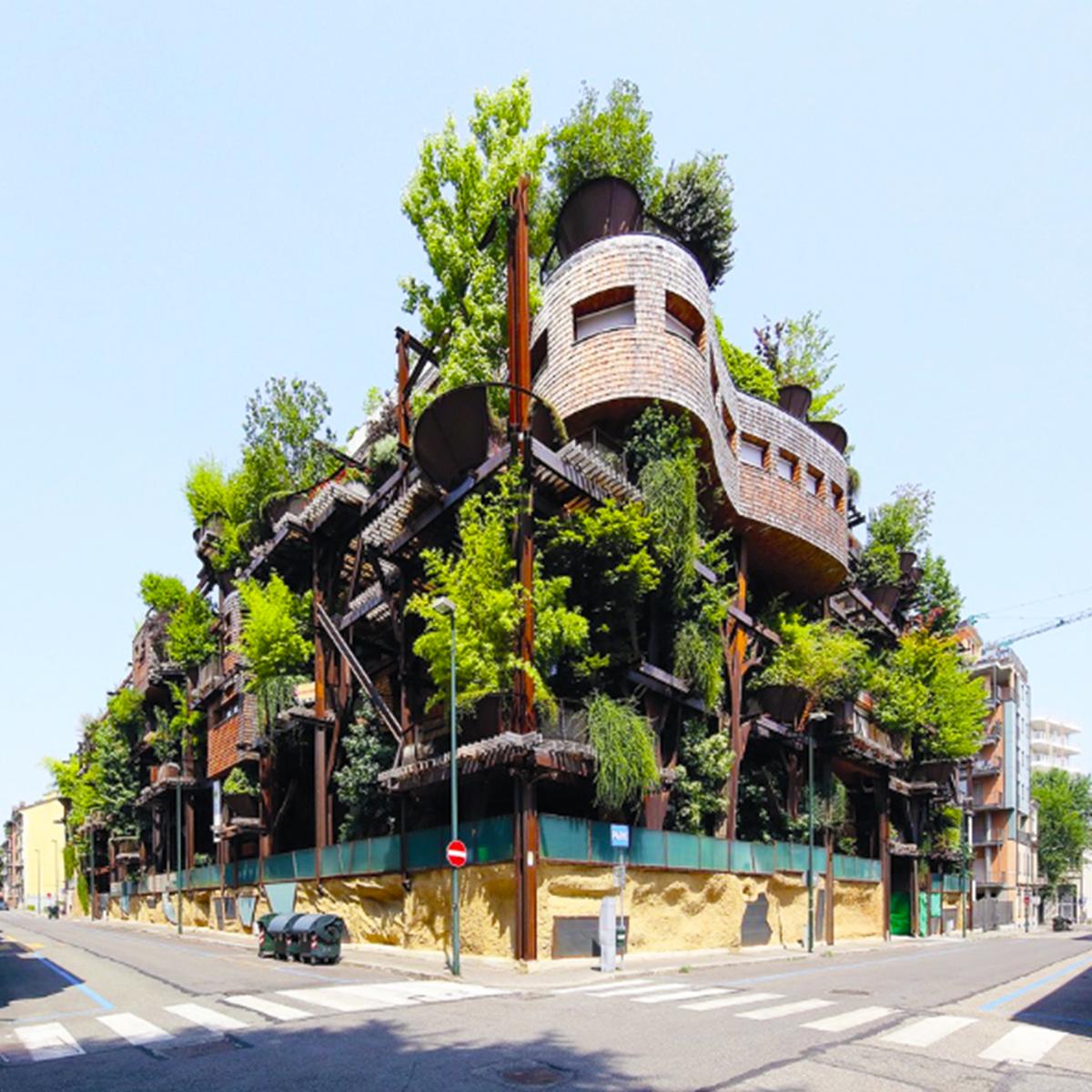
Day 2, afternoon: be captivated by the elegance of Cit Turin by following my Turin Liberty tour. An explosion of floral decorations, bay windows, wrought iron and stained glass. You’ll see Casa La Fleur, considered the most beautiful Art Nouveau building in Italy, Casa dei Draghi, the 25 Verde condominium and many other hidden gems.
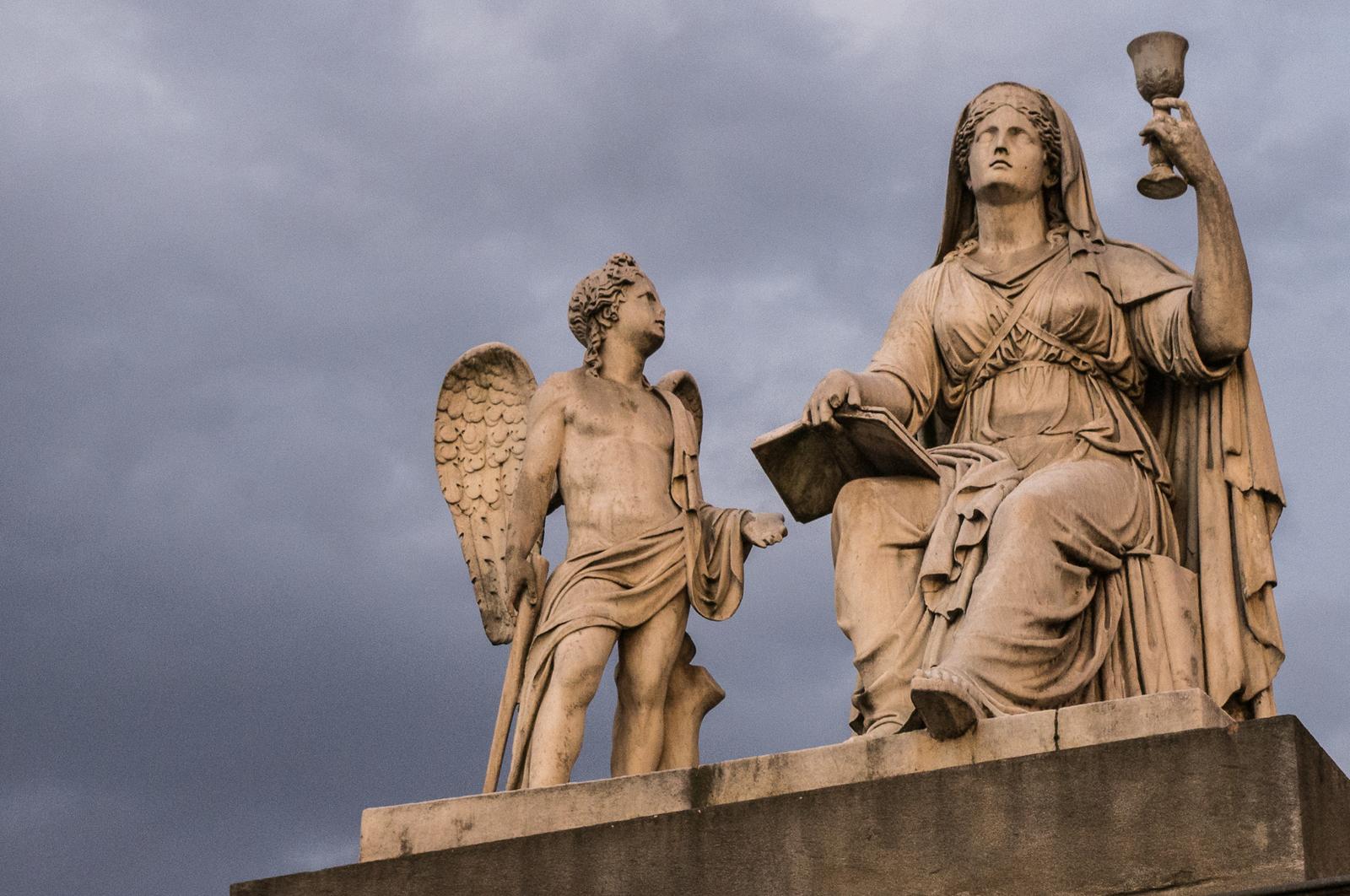
Day 2, evening: if you love noir atmospheres, Turin is the city of mystery par excellence. Find out why with the Magical and Esoteric Turin tour. From the darkness of Piazza Statuto, considered the gateway to hell, to the light of the Gran Madre, where the Holy Grail is said to be hidden. The Devil’s Door, Masonic eyes and legends that will send shivers down your spine.
Host’s Tip: the Medieval Village is free and often underrated by tourists. Go there early in the morning, when it’s still deserted, to truly experience it.
In 3 days in Turin you can finally venture off the most beaten paths and understand why we are a UNESCO Creative City of Design and a capital of taste.
Days 1 and 2: follow the previous programmes.
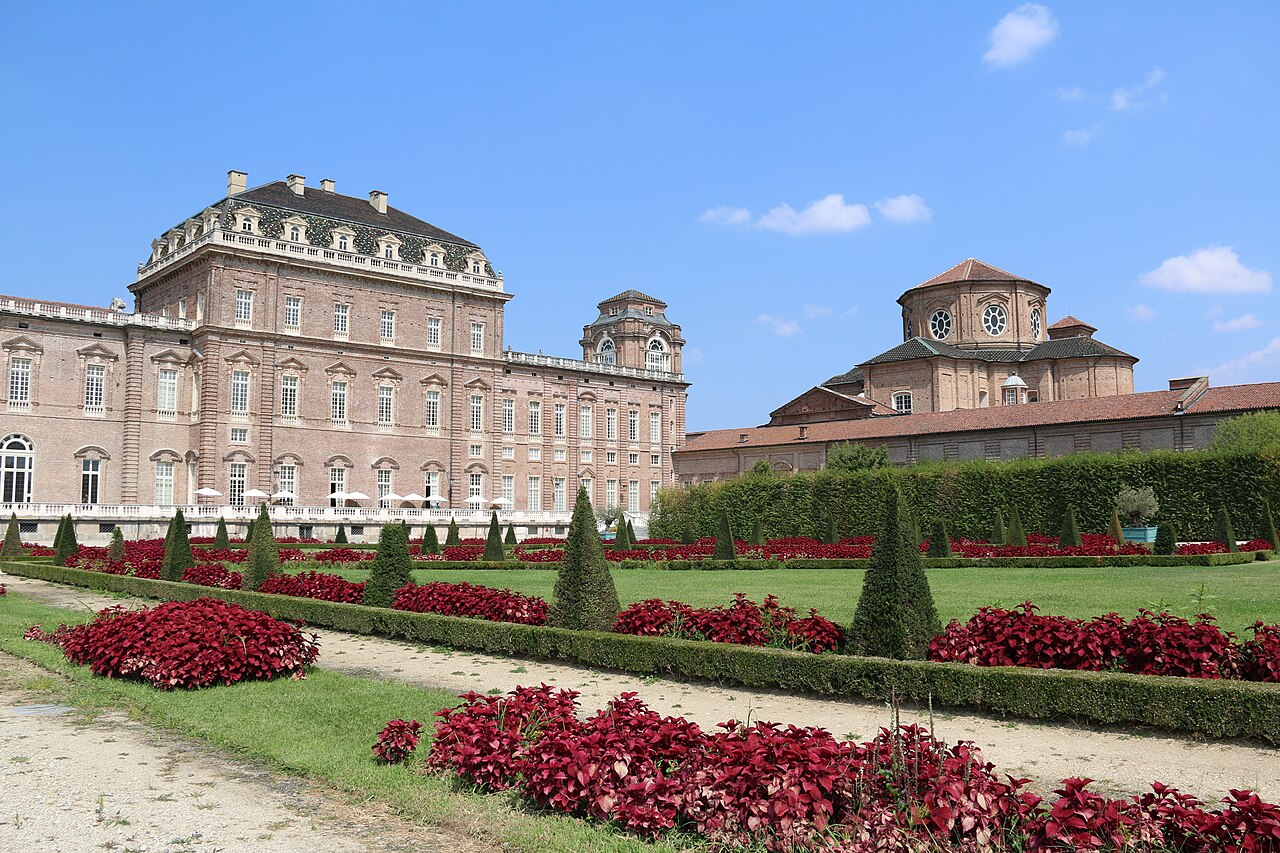
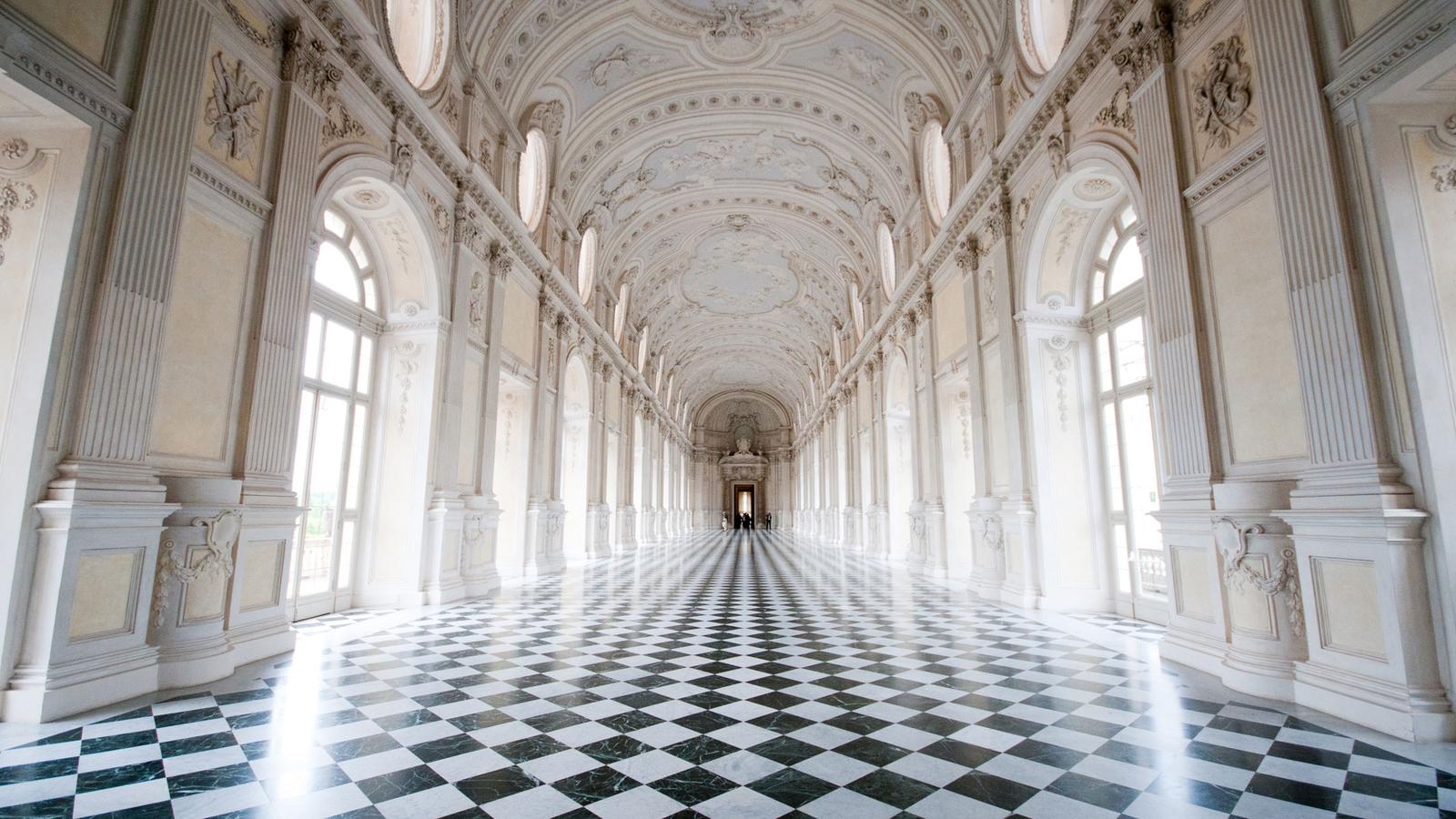
Day 3, morning: devote the morning to the magnificence of the Reggia di Venaria Reale, one of the Savoy residences and a UNESCO World Heritage Site. It can be reached by public transport in around 30 minutes. The gardens, Juvarra’s Galleria Grande and the frescoed halls will leave you speechless.
Host’s Tip: here too, book online a few days in advance. And if you go on a weekday, you’ll avoid the weekend crowds and enjoy the gardens with all the calm they deserve.
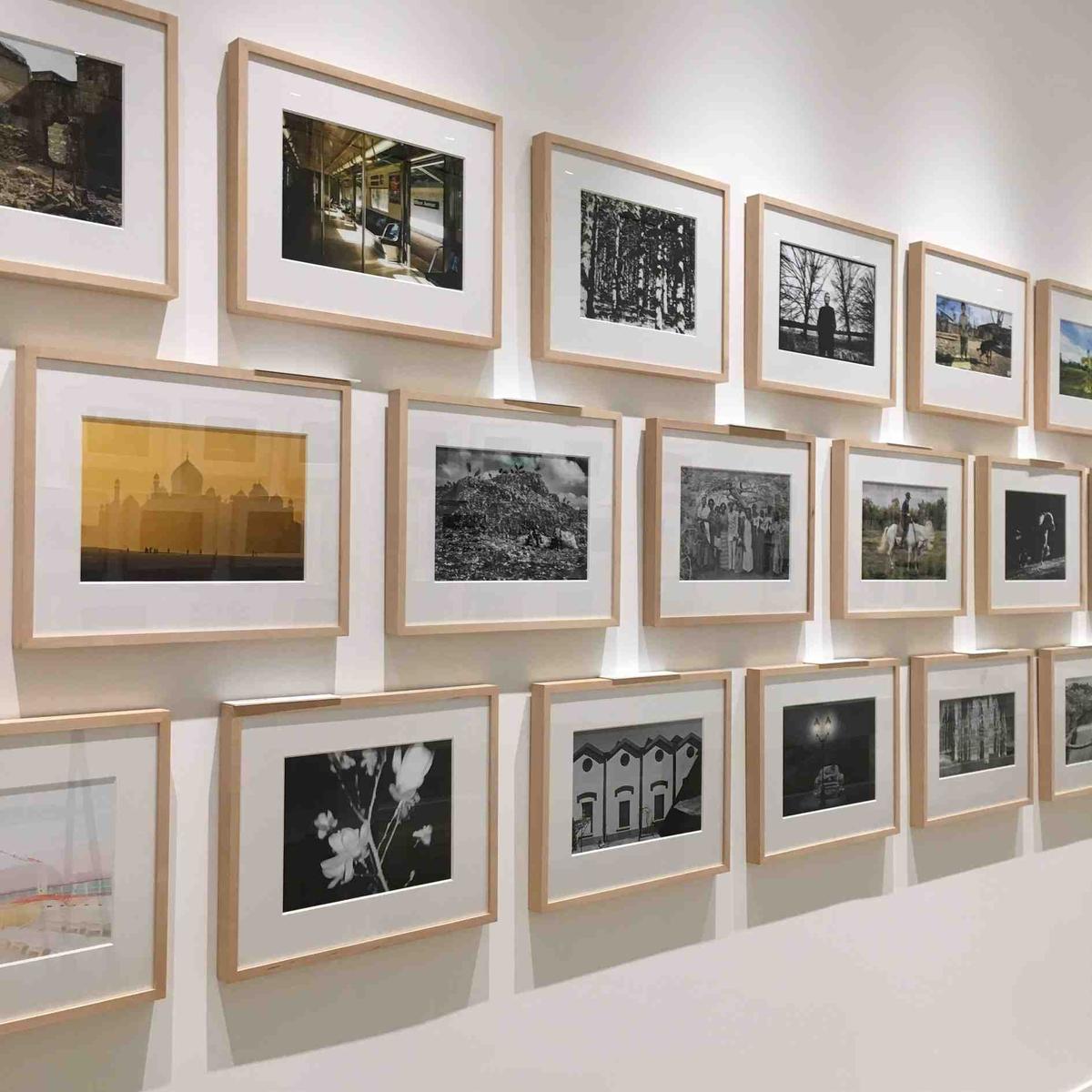
Day 3, afternoon: on your return, discover how the industrial past has been transformed into creative excellence with the Turin Design City route. From CAMERA, the Italian Centre for Photography, to the Circolo del Design, from the historic Subalpina and San Federico galleries to the artisan workshops of San Salvario, all the way to the MAUTO and the legendary Lingotto with its rooftop track. You’ll understand why Turin is recognised by UNESCO as one of the capitals of creativity (Creative City of Design).
Coffee break and aperitivo: you can’t say you’ve been to Turin without a tour of the historic cafés and the places linked to vermouth. My Il Re è Rosso itinerary will guide you through gilded boiserie, vintage mirrors and age-old aromas. From Bicerin to Vermouth, the flavours that made Turin famous around the world.
If you stay 4 or 5 days in Turin, you have the opportunity to discover the city that ordinary tourists never get to see. And this is where our B&B becomes your true base of operations.
Days 1, 2 and 3: follow the previous programmes.
Days 4 and 5: choose from the themed routes based on your interests.
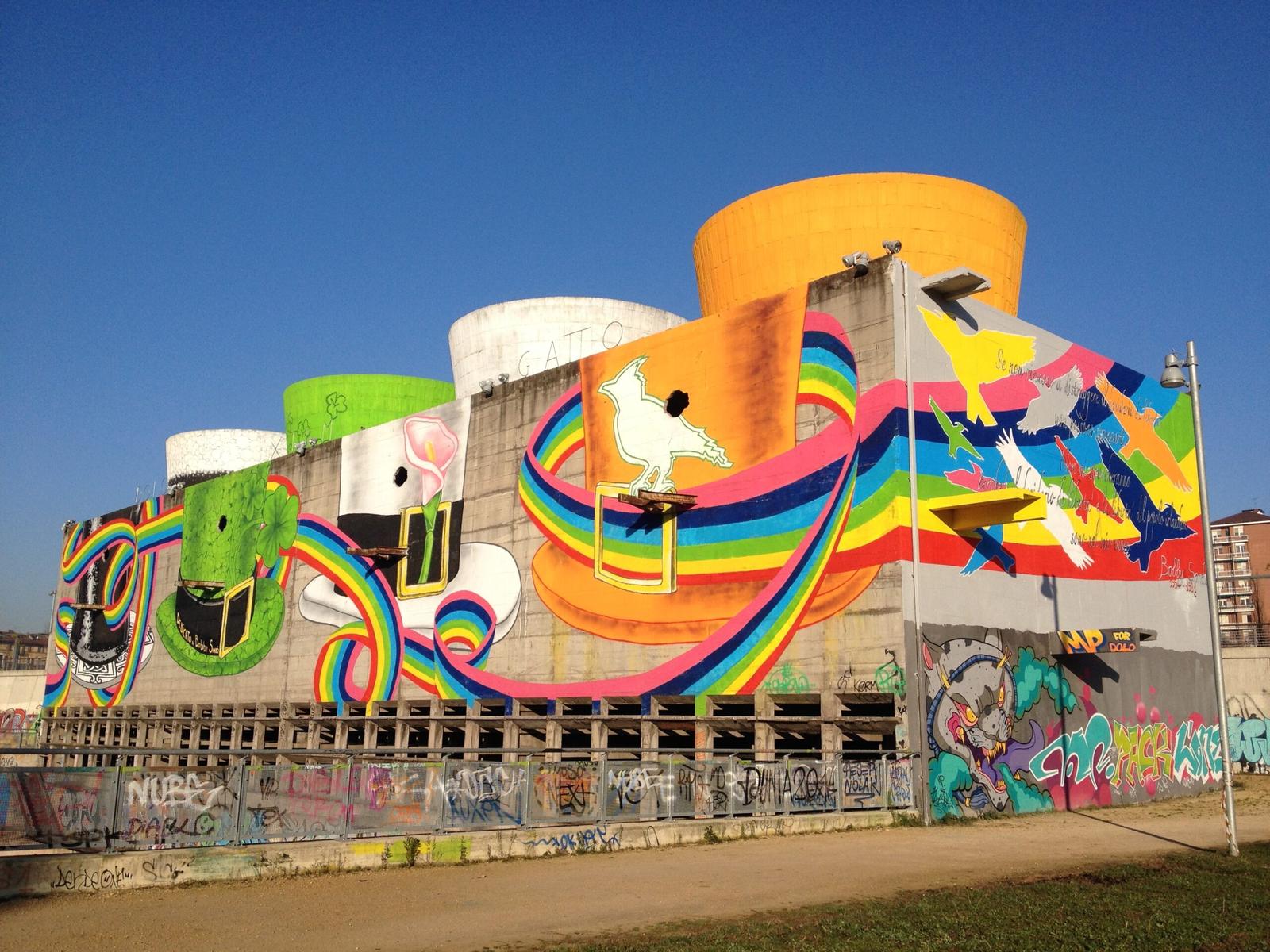
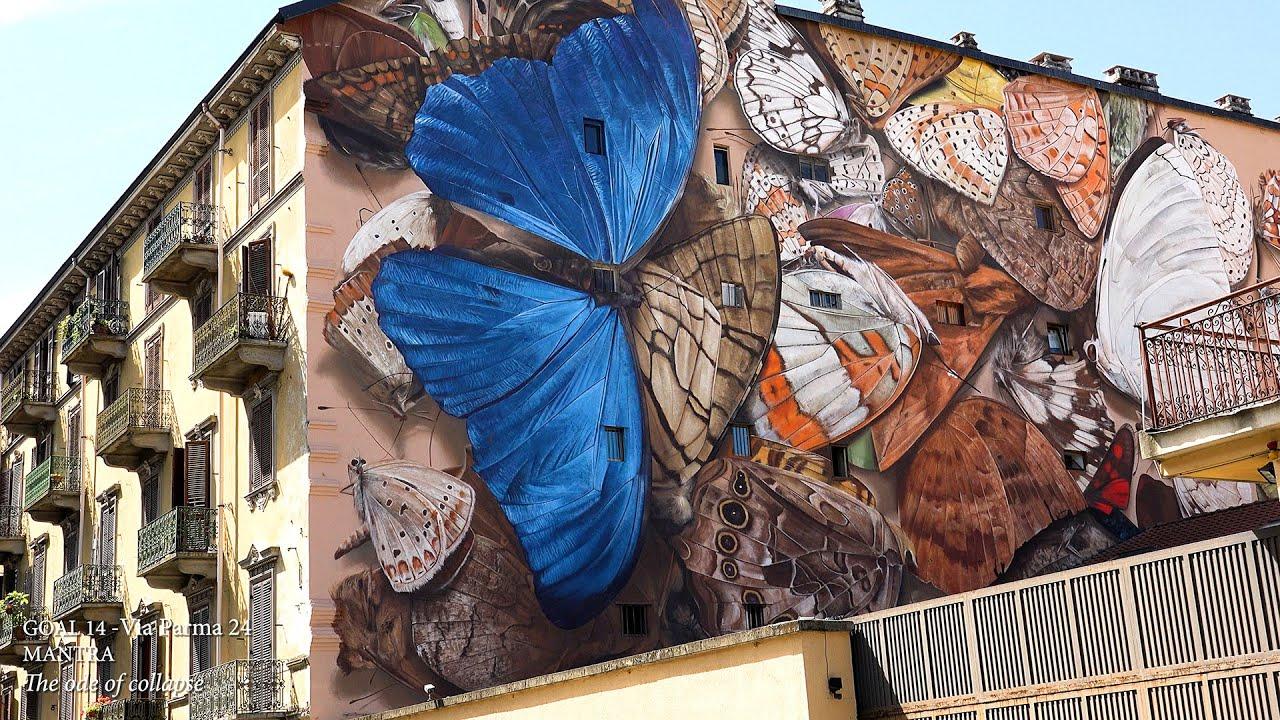
For lovers of contemporary art and authentic neighbourhoods: explore the suburbs transformed into open-air museums with the Turin Urban Art tour. From Millo’s murals in Barriera di Milano, with 13 giant facades telling stories, to the MAU in Borgo Campidoglio, one of Italy’s first open-air urban art museums, from the painted shutters of San Salvario to the mural dedicated to Bobby Sands on the towers of Parco Dora. You’ll see how urban art has regenerated entire neighbourhoods.
For those who want to understand industrial Turin: discover FIAT’s legacy and avant-garde architecture with the Industrial Turin itinerary. From the Nuvola Lavazza, built beside a former power plant and the remains of an early Christian basilica, to the red pillars of Parco Dora, from the OGR, former railway workshops now a cultural space, to the Lingotto with its rooftop track. It’s the story of a city that reinvented itself without erasing its working-class soul.
For photography and social media enthusiasts: follow my guide to Instagrammable Turin. From Villa della Regina, with its vineyard overlooking the city, to the Fetta di Polenta, a building just 54 cm wide on one side, from the Palazzo with the Piercing to the 25 Verde condominium, a forest-building with 150 trees. Every stop is designed to give you spectacular photographs.
For those who want to explore history and architecture: immerse yourself in the genius of Guarini and Juvarra with the Baroque Turin tour. From Piazza San Carlo to the Church of San Filippo Neri, from Palazzo Carignano to the Royal Church of San Lorenzo, through to the Chapel of the Holy Shroud. A journey through the architecture that made Turin the capital of intellectual Baroque.
For film lovers: the Turin Cinema tour takes you to the locations where cult films were shot. From the Cinema Museum inside the Mole to the sets of Argento’s “Profondo Rosso”, from the locations of “War and Peace” with Audrey Hepburn to Netflix series such as “The Law of Lidia Poët” and “An Astrological Guide for Broken Hearts”. Turin has been a film set for over a century.
For those seeking authentic experiences far from mass tourism: spend a morning at the Balon, the Saturday flea market, or at the Gran Balon on the second Sunday of the month. Then get lost in the Quadrilatero Romano among historic shops, old-fashioned delicatessens and authentic taverns. In the afternoon, head up to the Turin hills: from Villa della Regina to the urban vineyards, from Parco della Rimembranza, with its panoramic view, to the Church of the Gran Madre, which you’ll find just a stone’s throw from us.
Staying at Colazione da Augusta means having a peaceful, green base in the heart of Turin, just a short walk from the Gran Madre, but above all having someone who truly knows the city at your disposal.
At check-in I hand you the city map and sit down with you. I tell you about Turin through my own eyes, answer your questions and help you build the perfect route based on what you love and the time you have. It's not a standard service. It's simply the way we like to offer hospitality.
What's more: with us breakfast is prepared fresh every morning with local produce, served in the garden when the weather allows, free parking in the private courtyard, a strategic location 10 minutes' walk from the Gran Madre and 20 minutes from the Mole Antonelliana, and finally personalised advice every morning during breakfast.
Spring, from April to June, offers the perfect climate: the parks are in bloom and the city is still peaceful. Autumn, from September to October, brings stunning colours on the hillside and an ideal temperature for walking all day. Winter has its own special magic, with the snow-capped Alps in the background and Christmas markets. Summer is warm but bearable, with outdoor events and panoramic terraces.
Book the main museums online — the Egyptian Museum, Palazzo Reale and the Cinema Museum — at least a week in advance, especially for the weekend. Many churches are free and spectacular: San Lorenzo, San Filippo Neri and the Cathedral will not disappoint. The parks and walking tours — Liberty, Esoteric, Urban Art — are all free and among the finest experiences Turin has to offer.
Already decided what to see, but not yet where to stay? Discover our rooms in the heart of Turin, with tailor-made breakfast, free parking and a host who knows the city like the back of her hand.
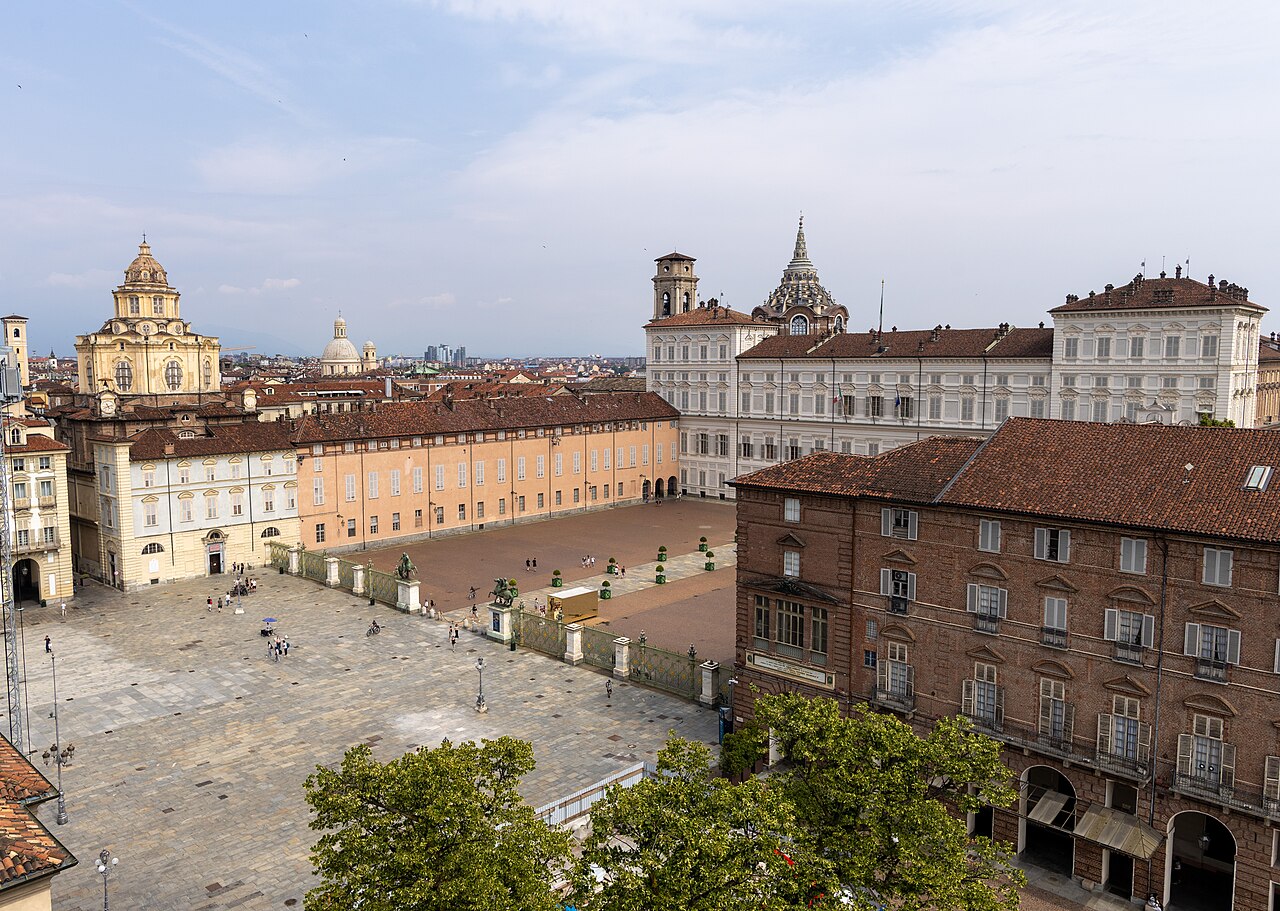
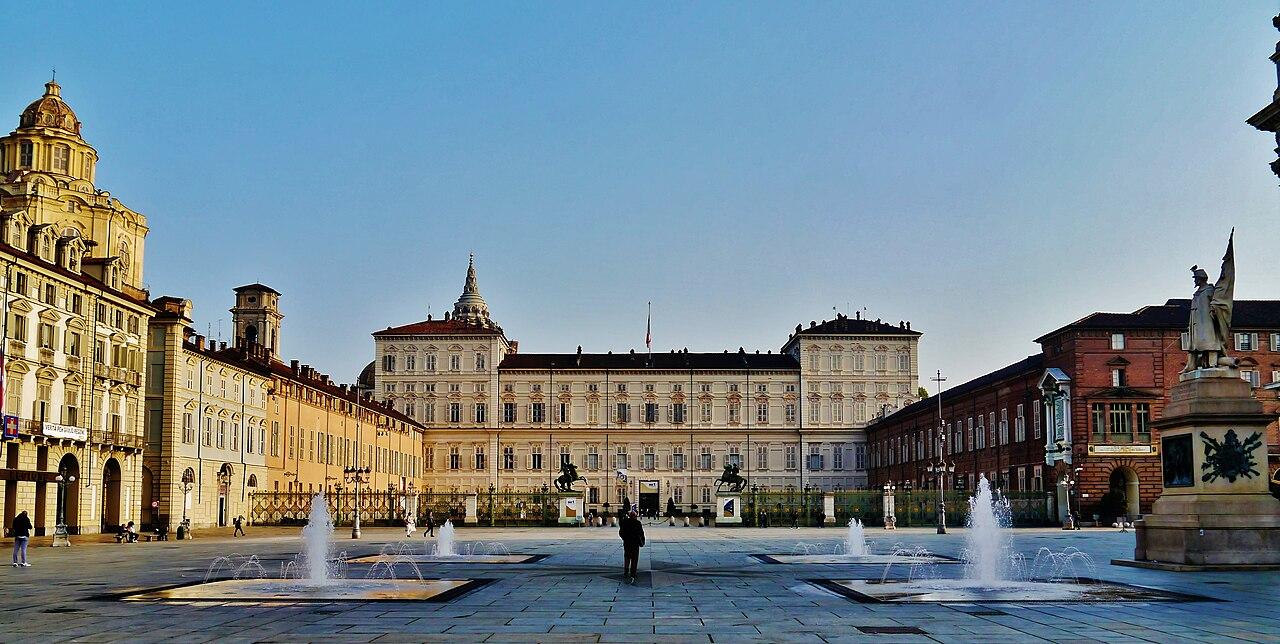
Coming from via Po, you find yourselves in a place where Turin seems to have gathered much of its history. Piazza Castello is the city’s historic, political and administrative centre, and this is where via Garibaldi, via Po, via Roma and via Pietro Micca meet.
Work on the layout of the square began in 1587, when Ascanio Vitozzi, acting on the duke’s instructions, started a project that would continue over the following centuries. Palazzo Madama stands in the centre; on the northern side, Piazzetta Reale leads to the residence of the House of Savoy. The porticoes and buildings surrounding the square date from different periods, yet form a surprisingly harmonious whole.
If you arrive by train, you can walk along via Roma from Porta Nuova; from Porta Susa, you can take via Cernaia and then via Pietro Micca.

The façade of Palazzo Reale, beyond the nineteenth-century railing that separates the Piazzetta Reale from piazza Castello, is rather sober. Inside, on the other hand, the Savoy family certainly did not hold back on splendour.
For over two centuries this was the main residence of the Savoy court in Turin, and the sovereigns lived here until 1865. The palace took shape in the seventeenth century, partly through the work of Amedeo di Castellamonte, begun in 1646.
State rooms, throne rooms, reception halls, tapestries, frescoes and precious furnishings tell of the official life of a court that received sovereigns, nobles, political representatives and foreign delegations. The interiors also preserve the transformations of later centuries.
Today the palace is part of the Musei Reali.

Walk around Palazzo Madama and you will find yourself facing two buildings that seem to belong to different cities. On one side there is a medieval castle; on the other, the Baroque façade that Filippo Juvarra designed in the eighteenth century.
The story begins much earlier. The palace incorporates the remains of a gate of the Roman city, later turned into a medieval fortification. Between the twelfth and fourteenth centuries the complex gradually became a castle, linked first to the marquises of Monferrato and then to the princes of Savoy-Acaia.
Between the seventeenth and early eighteenth centuries it was home to the Madame Reali, Marie Christine of France and Marie Jeanne Baptiste of Savoy-Nemours. The western side bears Juvarra's signature, the eastern one retains its medieval appearance.
Today Palazzo Madama houses the Museo Civico d'Arte Antica.

Next to Palazzo Reale, on piazza Castello, San Lorenzo almost seems to hide: it has no monumental façade of its own. Once you step inside, however, it is a completely different story.
The church was commissioned by the Savoy family and entrusted to the Theatines. Guarino Guarini developed the design from 1668; the dome was built mainly in the 1670s and the church was inaugurated in 1680.
The interior has a central plan, with chapels and cladding in marbles of different colours. But the most interesting thing happens above your head: eight large arches intertwine to form a star, while light enters through openings arranged on several levels. It is one of those domes you can look at for a long time, discovering a different relationship between the forms each time.

Piazza San Carlo is the «drawing room of Turin», as the Turinese traditionally call it. With its wide porticoes and regular façades, it has that orderly air that invites you to walk through it unhurriedly.
It was designed by Carlo di Castellamonte and construction began in 1637. On the southern side stand the twin churches of San Carlo Borromeo and Santa Cristina; the façade of the latter was designed by Filippo Juvarra and built between 1715 and 1717.
In the centre of the square, the nineteenth-century equestrian monument by Carlo Marochetti depicts Emmanuel Philibert and commemorates the victory of Saint-Quentin in 1557. For the Turinese it is simply 'l caval 'd brôns, the bronze horse.

The Museo Egizio of Turin is housed in the Palazzo dell’Accademia delle Scienze, the imposing seventeenth-century building whose construction began in 1679 under the architect Michelangelo Garove, based on the original design by Guarino Guarini.
Today around 6,500 archaeological finds are on display in the Museum, but more than 26,000 are kept in storage. The finds cover a period ranging from the Palaeolithic to the Coptic era, that is, the era of the native Egyptian Christians. The Museo delle Antichità Egizie of Turin is considered, for the value of its finds, the most important Egyptian museum in the world after that of Cairo. It is therefore worth visiting to admire the testimonies of one of the greatest civilisations in human history

Inside the Mole Antonelliana, the first thing that strikes you is the space above your head: the great central hall lets you see how far the building rises. The Museo Nazionale del Cinema occupies several levels, with a route that starts from the magic lanterns and the optical shows that preceded cinema and goes on to filming techniques, set design and special effects.
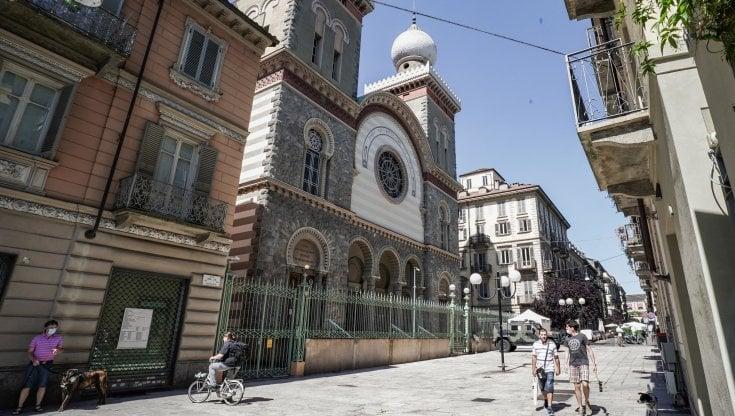
And yet the Mole had not been designed to house a museum. Alessandro Antonelli designed it in 1862 as a synagogue; after various construction vicissitudes, it was completed at the end of the nineteenth century. Since 2000 it has housed the Museo Nazionale del Cinema, which also appeared among the locations of Guida astrologica per cuori infranti. If you want to see the collections, give the visit the time it deserves: it is not a simple stop during the walk.

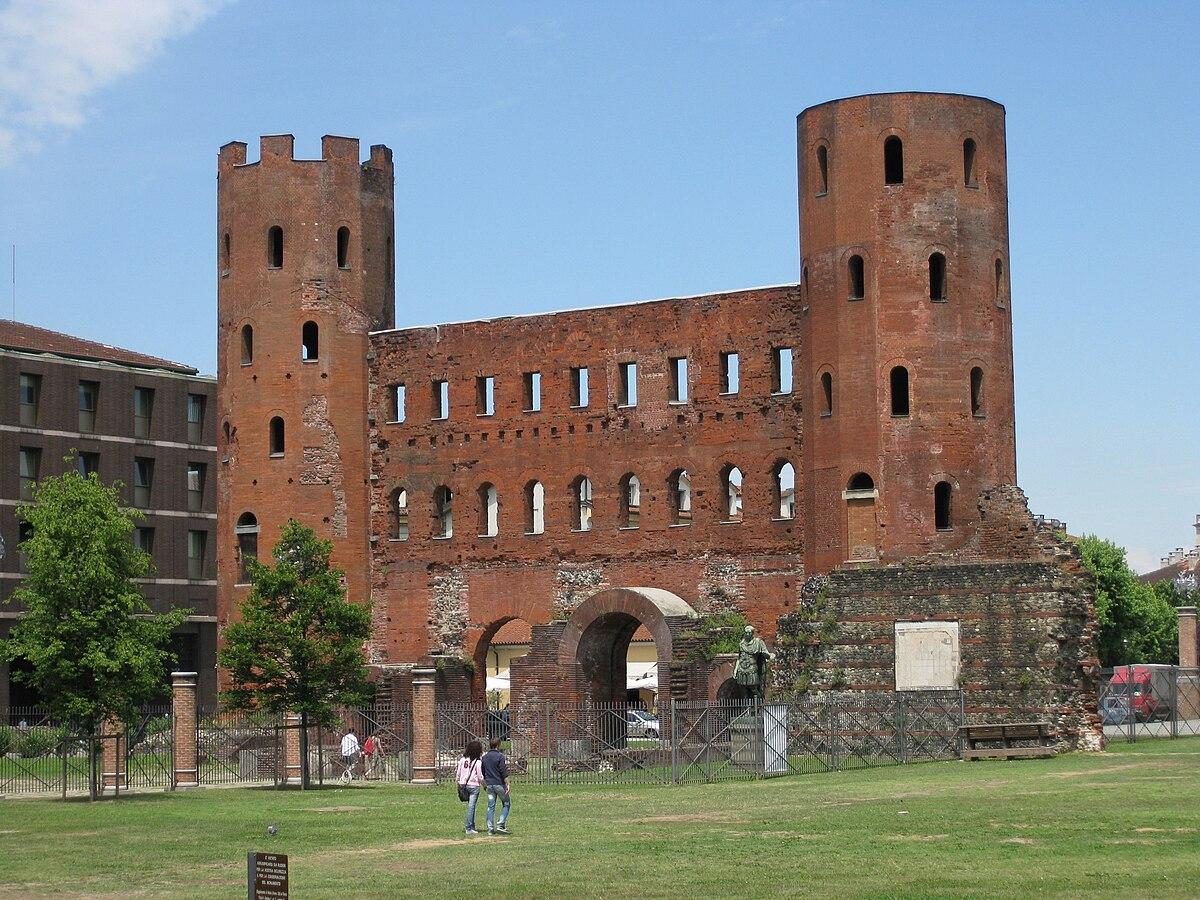
The two polygonal towers dominate the Porta Palatina, but it is the four openings that tell of its use: the two larger ones served carts, the two smaller ones pedestrians. They are joined by a central brick body that preserves a good part of the monumental structure.
Built in the early imperial age, the gate was the northern entrance to Augusta Taurinorum; originally it also included a fortified inner courtyard, where those entering the city were checked. A short distance away you find the remains of the Teatro Romano and the Museo di Antichità, part of the Musei Reali. The museum gathers archaeological finds from Turin and Piedmont and Etruscan, Greek and Roman collections, including the silverware of the Tesoro di Marengo, from the 2nd-3rd century AD, and the materials from the Etruscan tomb of the Matausni family.

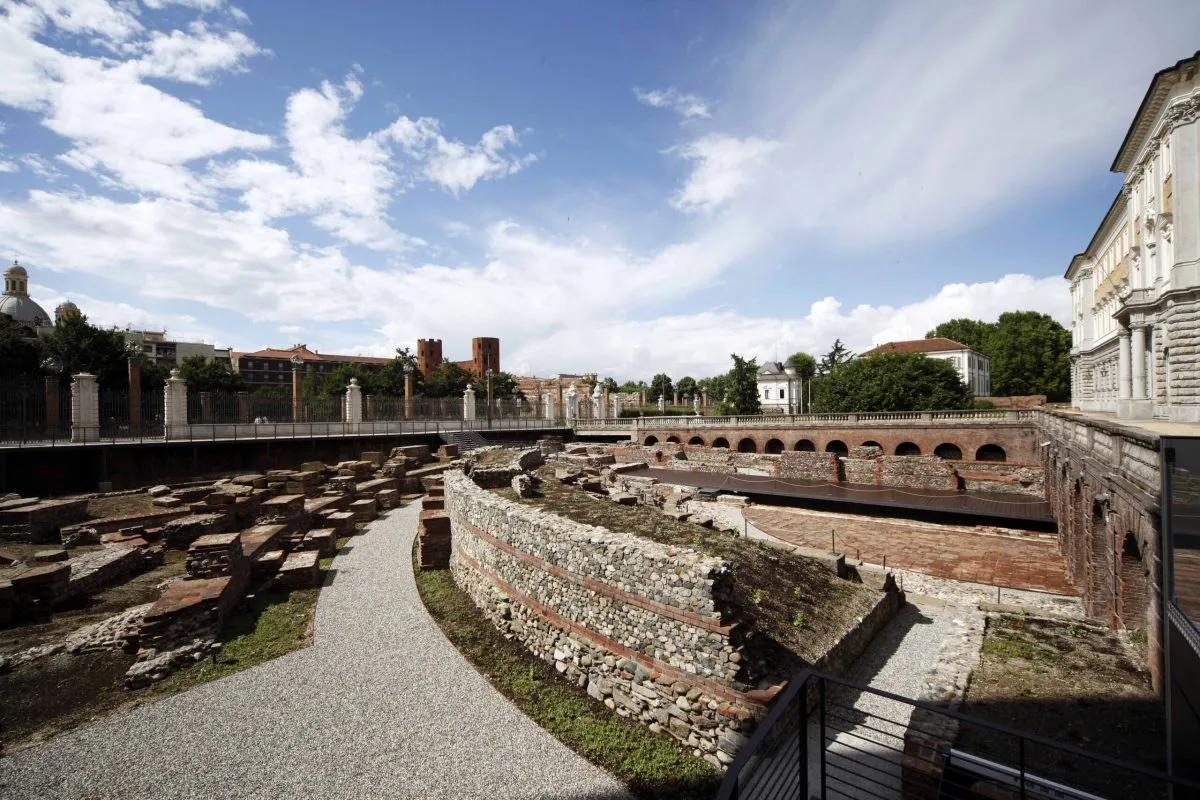
Behind the railings on via XX Settembre, not far from the Porta Palatina, you can still make out the semicircle intended for the spectators: it is part of the cavea of the Teatro Romano. Pillars, stretches of tiered seating, the floor of the orchestra and some walls also remain, while part of the theatre is incorporated into the buildings of Palazzo Reale.
Built in the Augustan age, near the walls and the northern entrance, the theatre was easily accessible even to those coming from outside the city. During the imperial age it was modified several times; in the 1st century AD the tiers and the stage structures were enlarged. The remains resurfaced in 1899, during the construction of a new wing of Palazzo Reale, and were preserved thanks to the intervention of Alfredo d'Andrade.

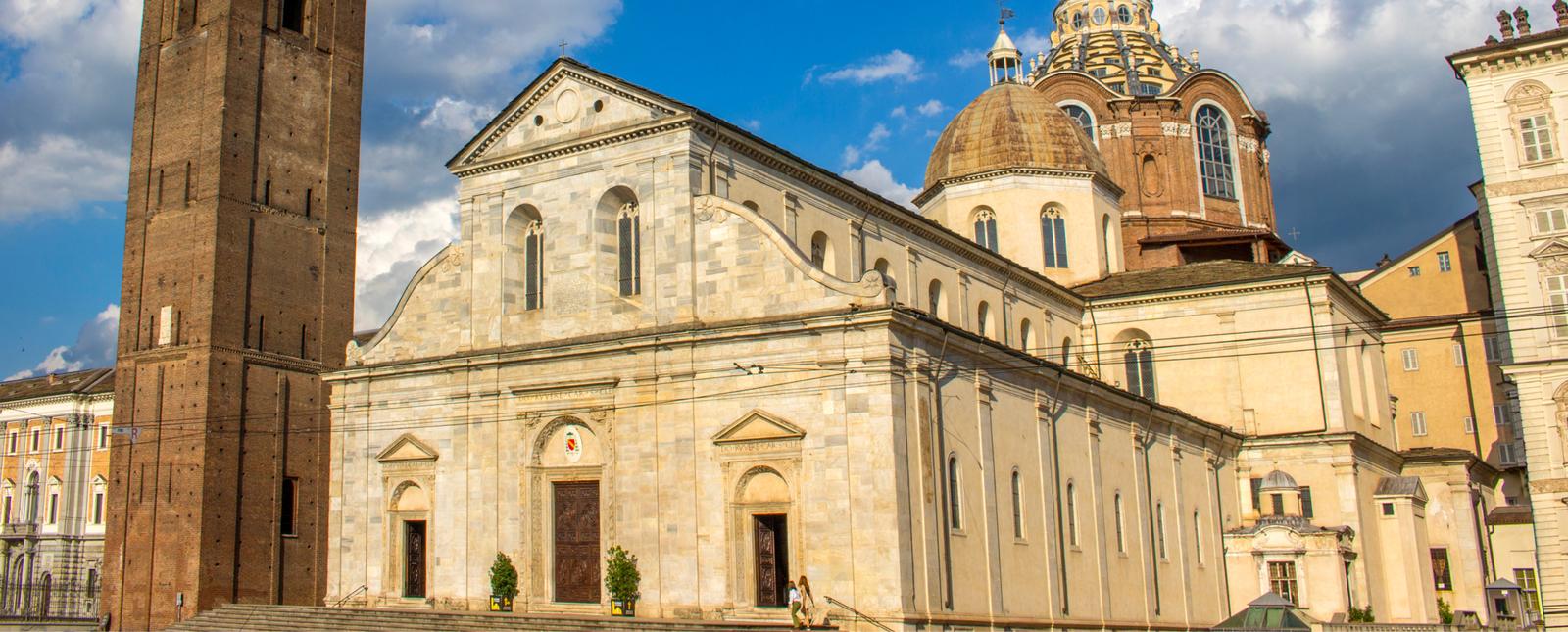
The Duomo you see today in piazza San Giovanni dates from the end of the fifteenth century and is dedicated to Saint John the Baptist. But beneath the cathedral and the square the story goes much further back: this area housed religious buildings from the very first centuries of Christianity.
In the Middle Ages three churches stood here side by side, dedicated to the Saviour, to Saint John the Baptist and to Saint Mary. The excavations beneath piazza San Giovanni and in the basements of the Duomo have brought to light remains of those ancient basilicas, together with structures from the Roman period, transformed and reused as the Christian city developed. Some of the finds and structures can be seen in the Museo Diocesano, set up in the basements of the cathedral. The archaeological area beneath the square, on the other hand, is not normally open to the public.

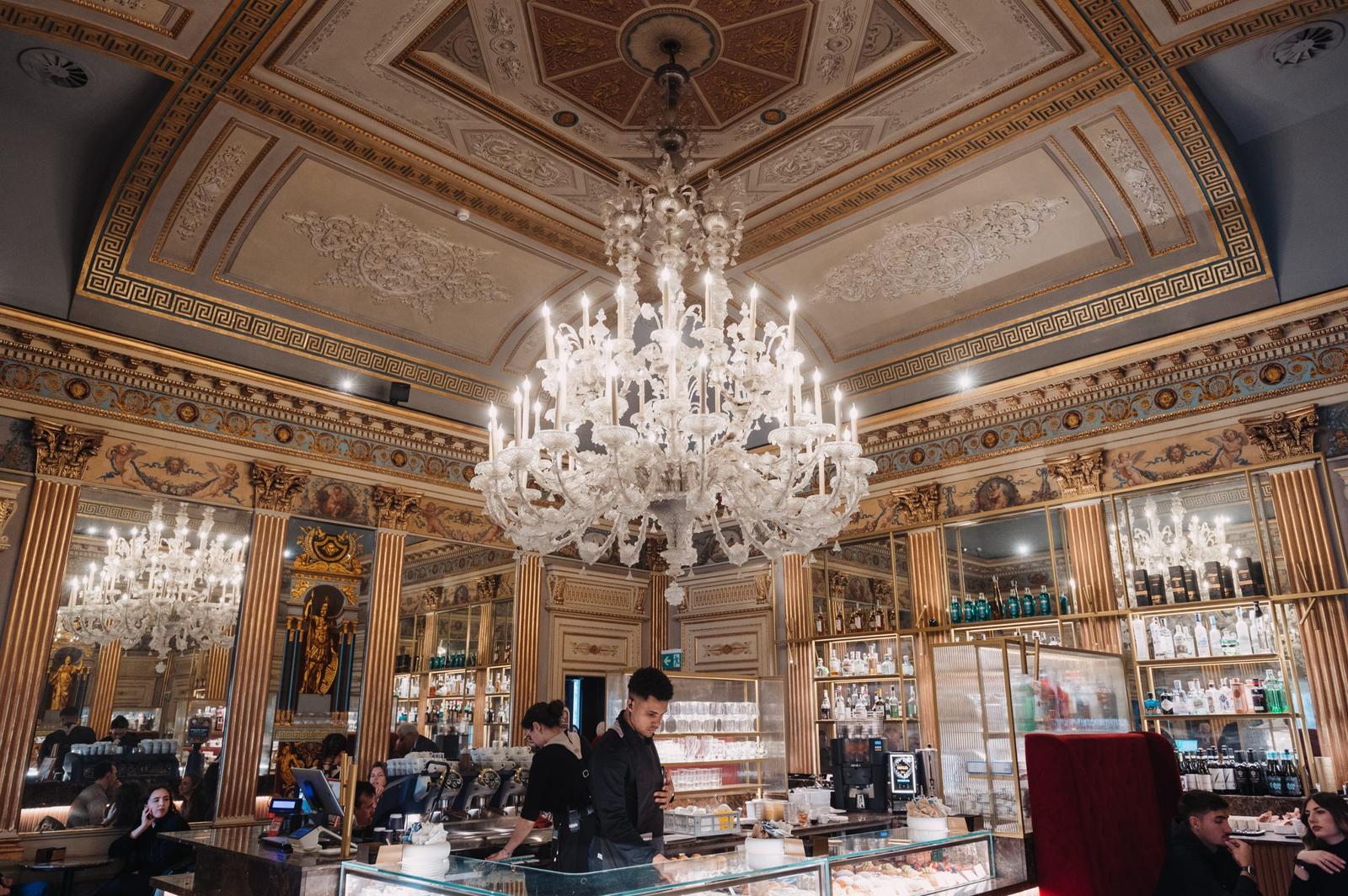
At Caffè San Carlo it comes naturally to look up. There are large chandeliers, gilded stuccoes, polychrome marbles, statues and, above all, columns and niches with female figures in the classical taste. Its present appearance is the result of several interventions, including the restorations after the serious damage suffered during the bombings of the Second World War.
Outside are the arcades of the seventeenth-century Palazzo Turinetti, facing piazza San Carlo. Founded in the first decades of the nineteenth century, the café became a meeting place for intellectuals and patriots of the Risorgimento, especially reformists and politicians such as Cavour and Massimo d'Azeglio, unlike the more aristocratic and conservative establishments.
Later it was also frequented by Giovanni Giolitti and Luigi Einaudi. The San Carlo is also known for its coffee blends.

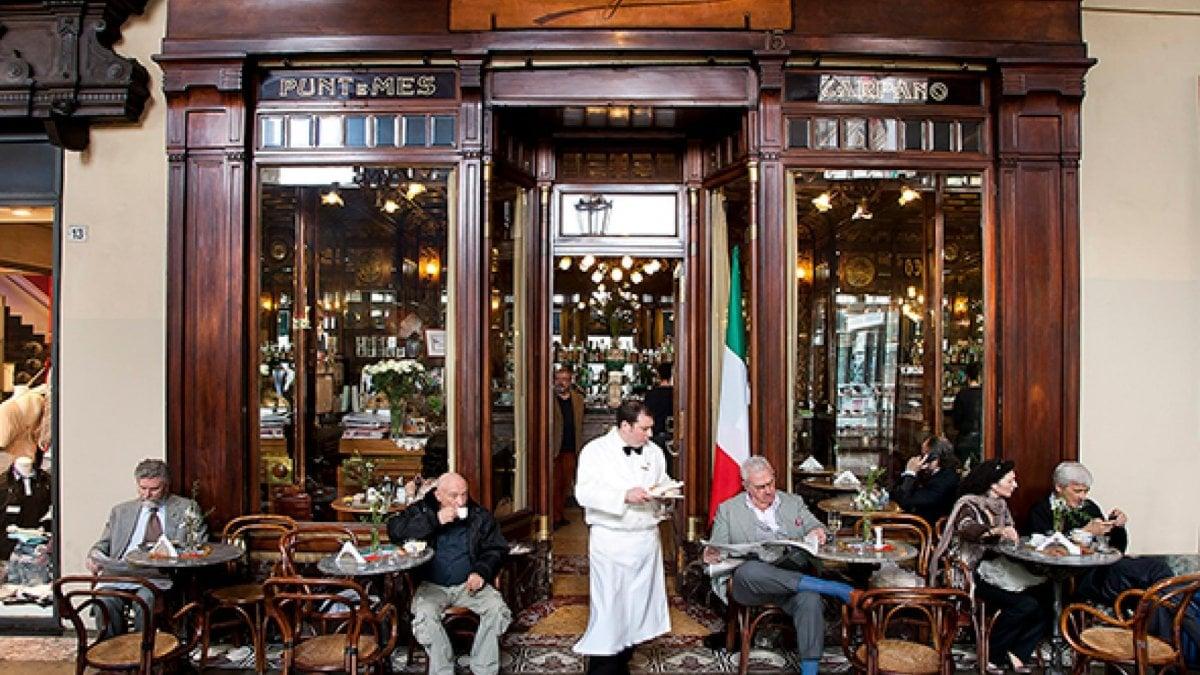
Mulassano is small, really small. Under the arcades of piazza Castello, among woods, mirrors and Art Nouveau details, it is surprising how much history is concentrated in so little space.
Amilcare Mulassano, owner of the Sacco distillery, known for its mint syrup, moved the business here from via Nizza in 1907. The furnishings were designed by the engineer Antonio Vandone di Cortemilia.
Around 1925 the café passed to Angela Demichelis and Onorino Nebiolo, Piedmontese who had returned from the United States with new eating habits. First they introduced toasted sandwiches, then small sandwiches of untoasted white bread with a generous filling: the tramezzini. The name is traditionally attributed to Gabriele d'Annunzio, although there is no certain documented confirmation.

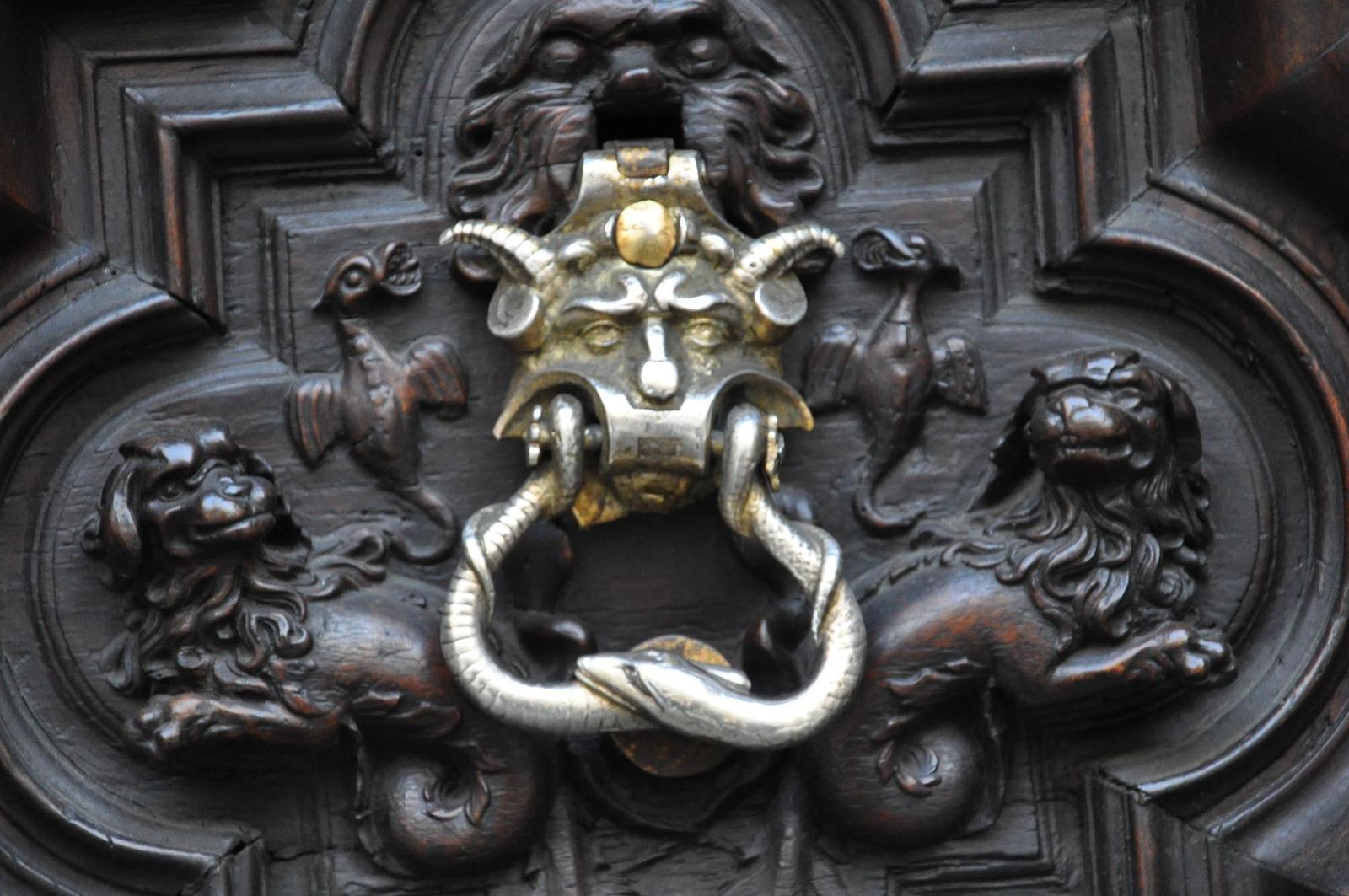
What gives the Portone del Diavolo, the Devil's Door, its name is a bronze knocker: a demonic face and two snakes whose heads meet at the point where you knock. You will find it on the wooden door of Palazzo Trucchi di Levaldigi, on the corner of via XX Settembre and via Alfieri.
The palace was built between 1673 and 1677 to a design by Amedeo di Castellamonte for Giovanni Battista Trucchi di Levaldigi, Minister of Finance to Carlo Emanuele II. The door, made in 1675 by a Parisian workshop, bears carvings of flowers, fruit, animals and cherubs. According to a legend it appeared in a single night, imprisoning a sorcerer's apprentice who had invoked Satan. The door remains an original example of Turin Baroque, visible from the street.

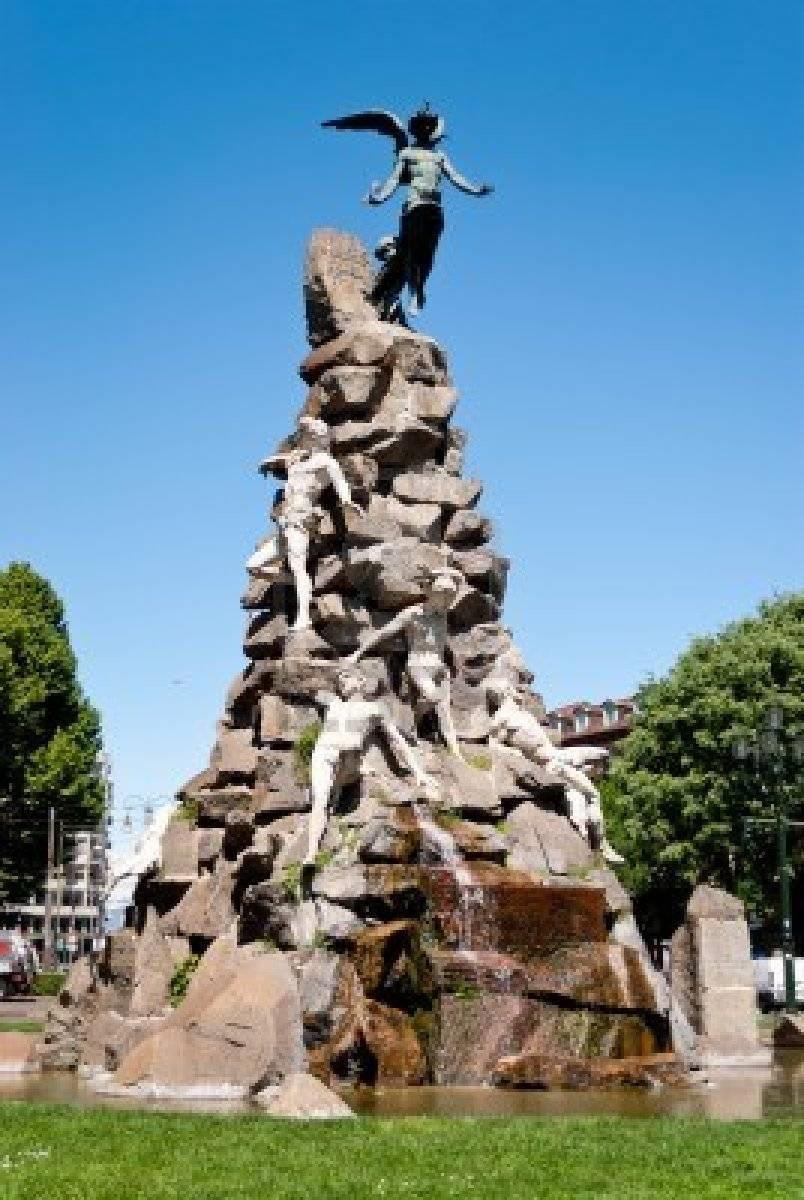
In the centre of piazza Statuto the Titans clamber up a pyramid of boulders, while above them rises a winged genius. It is the monument to the Fréjus tunnel, made by Luigi Belli and unveiled in 1879 to celebrate the railway works through the Alps: the genius represents the triumph of science over the difficulties of nature.
Esoteric tradition reads the square differently. Its position to the west, towards the sunset, and the memory of ancient burial grounds and places of execution have made it the supposed heart of Turin's black magic. The five-pointed star on the genius's forehead has also been interpreted by some as the sign of Lucifer: a later reading, not the original meaning of the monument.

Between the Duomo and Palazzo Reale there is a chapel where the dark marble draws the eye upward to a dome that seems to grow ever lighter as it rises.
The Savoy family had owned the Shroud since 1453 and Charles Emmanuel I wanted to build a space to keep it. The project went through several phases in the seventeenth century, with Ascanio Vitozzi and Carlo di Castellamonte, until in 1667 Guarino Guarini stepped in, profoundly changing the construction. The dome is made up of six levels of superimposed arches, progressively narrower.
Severely damaged by a fire in 1997, after long and painstaking restoration work it was finally reopened in 2018.
Once you entered from the Duomo. Not any more: the chapel is part of the Musei Reali and you reach it from there, palace ticket in hand. We cannot tell you the reason, but Palazzo Reale is worth the detour anyway.
At the Valentino you can walk a good stretch with the Po beside you. The park follows the left bank of the river, in the San Salvario district, among tree-lined avenues, lawns and some of Turin's best-known monuments. The Fontana dei Dodici Mesi has statues and water features; the Borgo Medievale was built for the Esposizione generale italiana of 1884, recreating a fifteenth-century Piedmontese village. Then there is the Castello del Valentino, a former Savoy residence overlooking the Po, today used by the Politecnico di Torino for activities related to architecture. The park can be walked freely, while access to the individual buildings follows their respective opening arrangements. Even without going in, the walk deserves the time you give it.

At the corner of via Principi d'Acaja and corso Francia, the curved glass panes and a large bow window make Casa Fenoglio-La Fleur instantly recognisable. Above, an elaborate crowning closes the meeting of the two façades. Pietro Fenoglio designed it in 1902, initially conceiving it as his own home and studio, before it passed to the La Fleur family of entrepreneurs. Art Nouveau is everywhere here, but not at random: floral decorations, cast-stone frames, wrought iron with sinuous lines and delicate colours, from pale pink to beige, are all conceived together. Fenoglio also took care of the ornamental details, from the railings to the windows and balconies. The reason to stop is this continuity between architecture and decorative arts, right down to the curve of a glass pane.

The two dragons carved beside the large wooden portal explain at once why Palazzo della Vittoria is also called Casa dei Draghi. Above the entrance appears the coat of arms of the Carrera family; higher up, arched windows, bow windows and crenellated turrets recall the Middle Ages. The style is mainly neo-Gothic, different from the nearby Art Nouveau buildings, but it earns its place on the route for the richness of its decorations: other fantastic animals and allegorical figures enliven façades and balconies. Giovanni Battista Carrera, a Cavaliere del Lavoro, commissioned it in 1918 from the engineer Gottardo Gussoni to celebrate the Italian victory in the First World War; the building was completed in 1920. You will also find it referred to as Casa Carrera.

Trees grow on the terraces, while the steel structures look like trunks and branches: the Condominio 25 Verde, in Via Chiabrera, a short distance from Parco del Valentino, is a house where architecture and vegetation truly intertwine.
The architect Luciano Pia designed it and the building was completed in the early 2010s, with irregular terraces, wooden cladding and about 150 trees integrated into the steel and wood structures, in addition to the greenery of the inner gardens and the roofs. It is an experiment in bioclimatic architecture: the plants are not merely decorative, they shade the flats and help create a natural microclimate for those who live there. The result is a kind of inhabitable forest, where the boundary between building and vegetation becomes less clear.
Its appearance changes with the seasons. In spring and summer the vegetation dominates; in winter the metal structures stand out more clearly. It is a private building, but you can photograph it from the street: even without going in, the relationship between trees and structures is the main reason to stop and look.

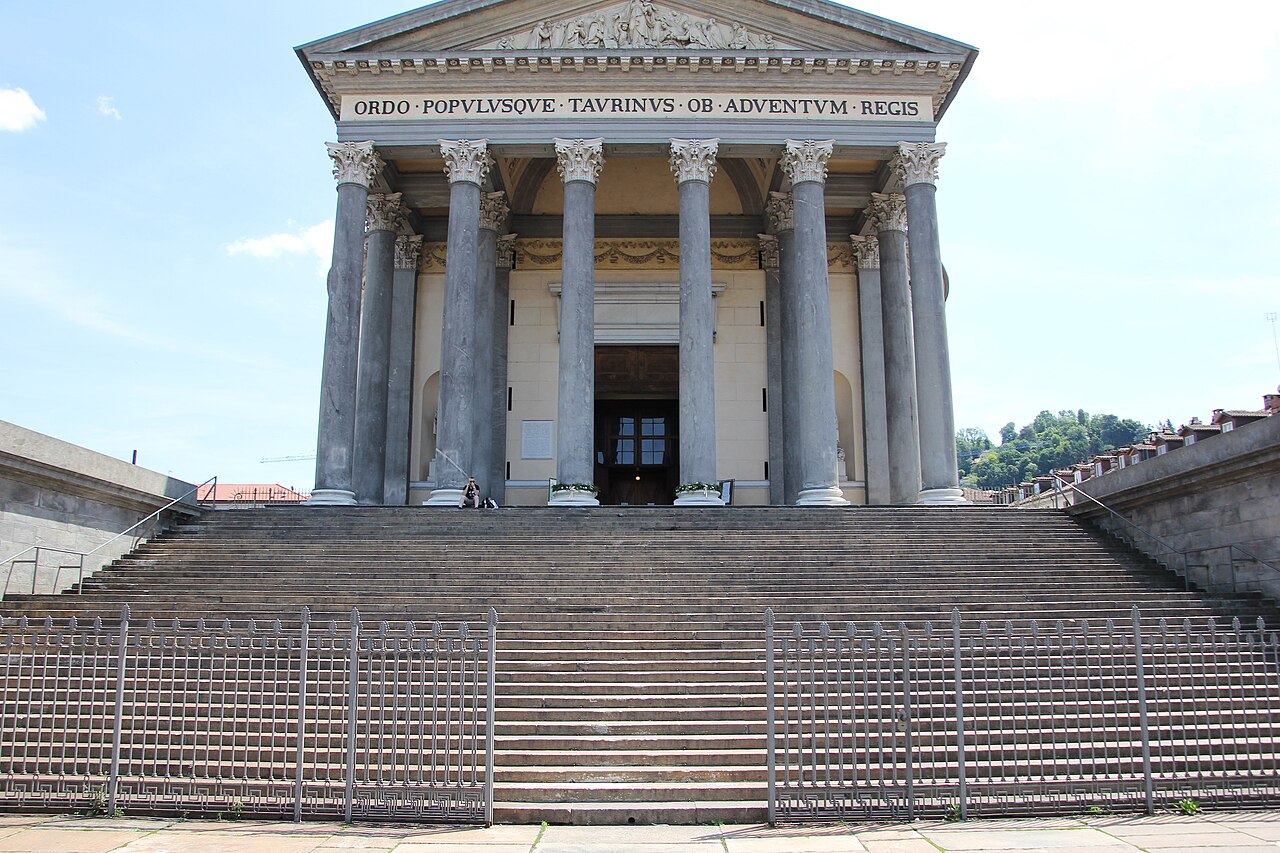
At the Gran Madre di Dio, at the foot of the hill, facing the Vittorio Emanuele I bridge, the story of the Holy Grail begins with two statues on the great flight of steps. They are allegories made by Carlo Chelli in 1828: on the right Religion, with a triangle and the divine eye on her forehead; on the left Faith, with a book and a raised chalice.
The chalice has fed the legend of the Grail hidden in Turin, near the church or in a place symbolically indicated by the statues. Some versions also bring in the Mole Antonelliana. The church, designed by Ferdinando Bonsignore and inaugurated in 1831, celebrates the return of the Savoys after the Napoleonic interlude. The statues are real; of the Grail there is no historical evidence.

The Reggia di Venaria Reale: the beautiful Savoy residence at the gates of Turin
Designed by the architect Amedeo di Castellamonte at the wish of Duke Carlo Emanuele II, who wanted to make it his hunting residence, and built in a very short time, from 1658 to 1679, the Reggia di Venaria is certainly one of the largest and most beautiful Savoy residences. Imposing and sumptuous, its design was taken up for the construction of the palace par excellence, Versailles. The Reggia di Venaria has been part of the UNESCO World Heritage since 1997
The Reggia di Venaria is located just outside Turin and can be reached by bus, train and car

Even before you look at the photographs, what strikes you here is the contrast between the historic building and the clean-lined spaces. CAMERA, Centro Italiano per la Fotografia, occupies a monumental Baroque block that careful architectural restoration has transformed into a cultural centre where minimalism meets the building's history.
Natural light is an important part of the design: it doesn't simply illuminate the rooms but becomes a design element in its own right. The result is one of Europe's brightest cultural centres. A good reason to pay attention not only to the photographs on display but also to the spaces that house them.

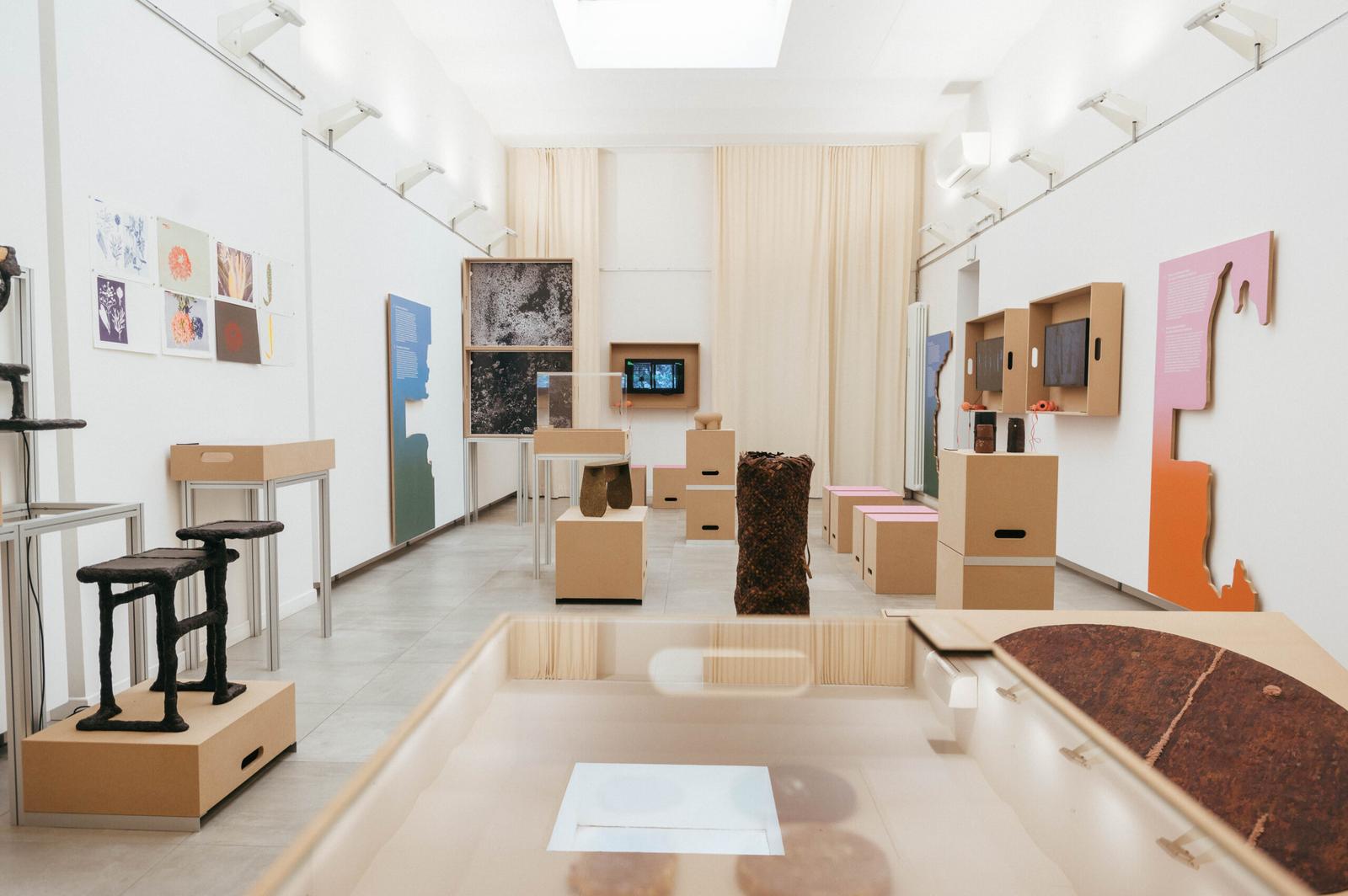
At the Circolo del Design, design isn't just something to look at in an exhibition. It's also something people work on together: designers from Turin meet, exchange ideas and collaborate in a multifunctional space that hosts temporary exhibitions.
It's one of the places where local creativity seeks to imagine the city's visual future, a kind of headquarters for people working in design. So the reason to stop by isn't just to see an exhibition, but also to get a sense of the environment where collaborations and projects take shape. Here, design is above all a shared activity, even before it becomes a product to be exhibited.

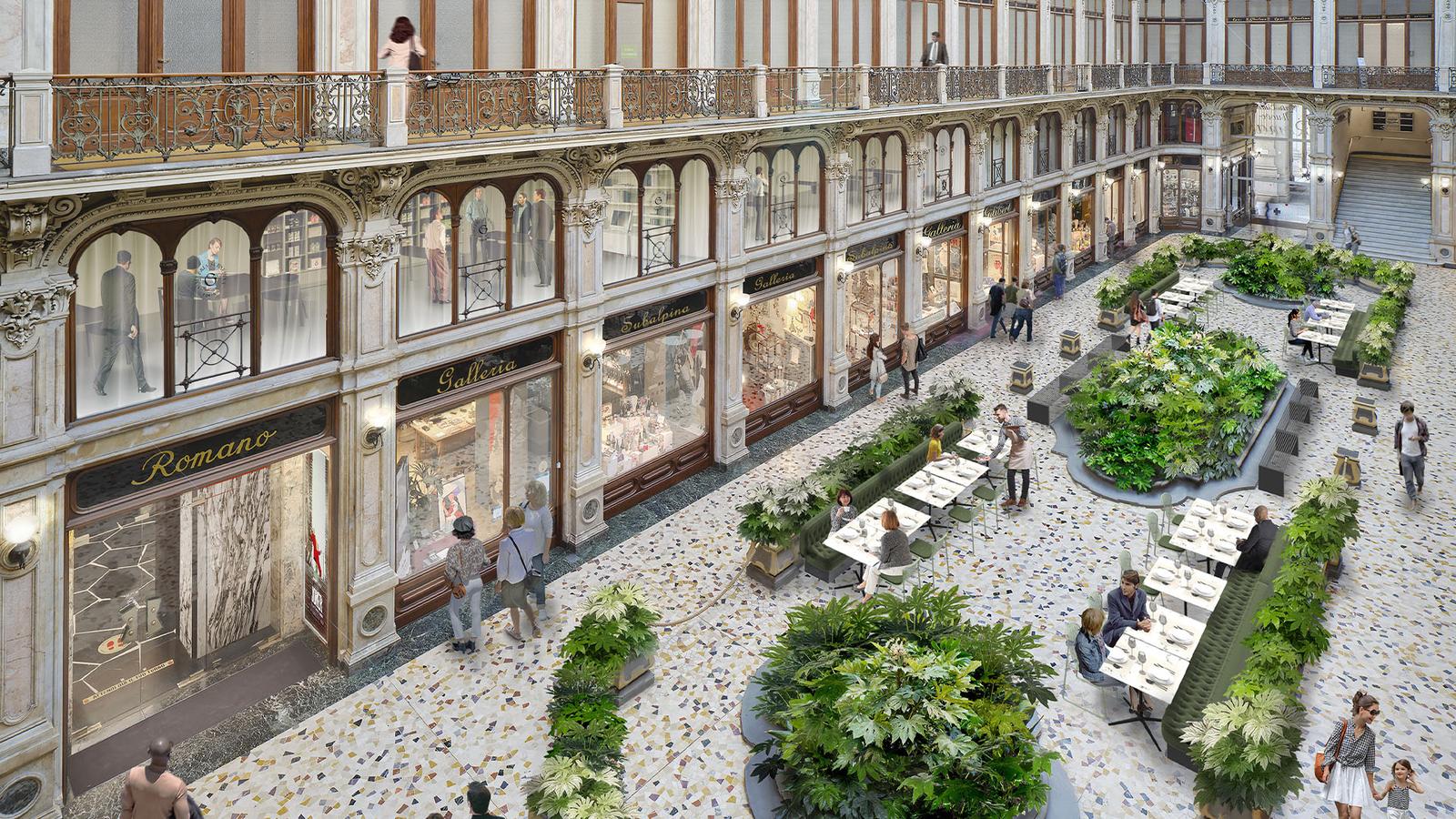
Between piazza Castello and piazza Carlo Alberto you can walk through the Galleria dell'Industria Subalpina, passing beneath a great vault of iron and glass. It is one of those places where it comes naturally to slow down and look around.
It was designed by Pietro Carrera in 1873 and opened in 1874, modelled on the Parisian passages. The balconies, the inner shopfronts and the eclectic decorations mix Renaissance and Baroque references, in keeping with nineteenth-century taste.
The gallery has a long commercial tradition, above all tied to books: here you will find antiquarian bookshops such as La Casa del Libro and Gilibert. There are also the confectioner Baratti & Milano, which moved here in 1875, and the Cinema Romano.

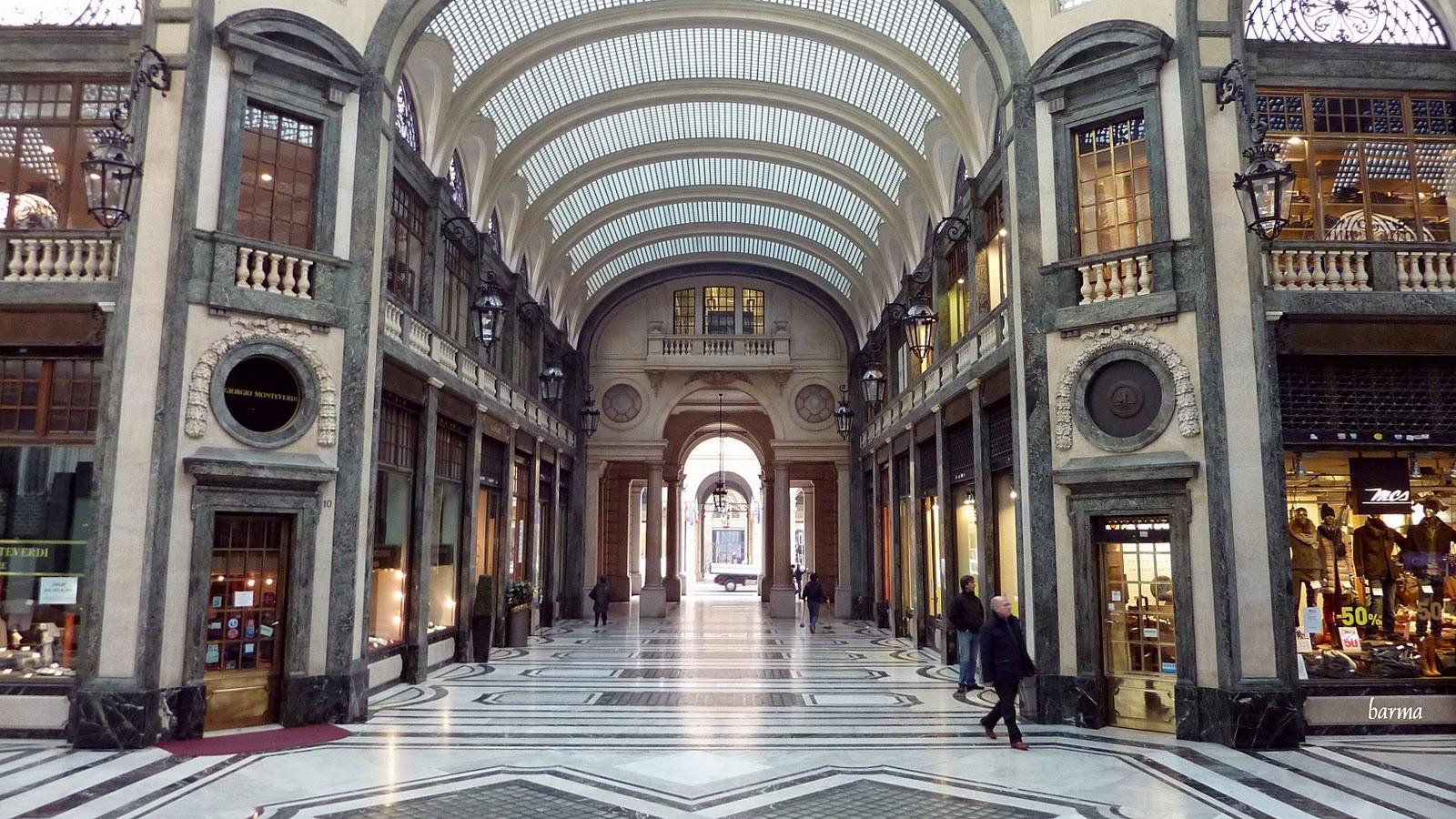
From via Roma you enter a T-shaped space, with shops on the ground floor and offices on the upper levels. The Galleria San Federico links via Roma to via Bertola and via Santa Teresa: it was built in 1933, during the reconstruction of via Roma, to a design by the engineers Giovanni Canova and Vittorio Bonadè Bottino. The name takes up the old name of the block.
The geometries and decorations reflect the taste of the 1930s; above, glass-block roofing and domes at the entrances. There is also a cinema: the Lux, opened in 1934 as the Rex, then called the Dux and finally the Lux since 1945. The entrance and the decorations deserve a look even if you are only passing through.

For independent shops you can continue beyond the big streets of the centre, south of Porta Nuova. In San Salvario, between via Madama Cristina, via Baretti and the side streets, neighbourhood trade is still very much present: traditional shops, ateliers, craft workshops and fashion and design businesses alternate along the walk.
Piazza Madama Cristina is the landmark of the district, with a neighbourhood market whose history goes back to the nineteenth century. On some Sundays it also hosts themed markets, including San Salvario Emporium, devoted to contemporary crafts, illustration, design and independent production. Here it is worth leaving room for detours into the side streets, without a specific purchase in mind.

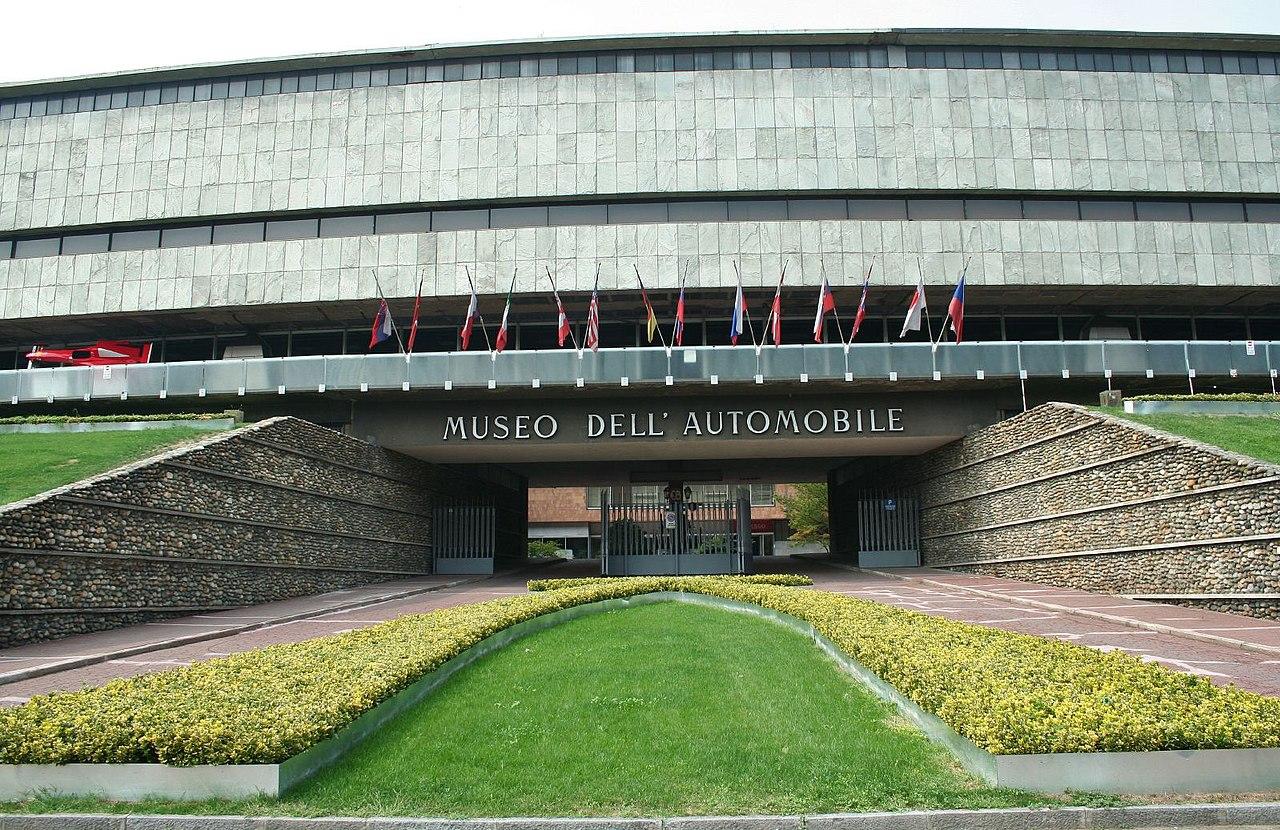
Today the Mauto offers an incredible collection housed in a beautiful building, along with an interactive route that makes extensive use of multimedia communication. The MAUTO in Turin boasts one of the rarest and most beautiful car collections in the world. Here you find over 200 original cars, from the mid-19th century to the present day, with over 80 different car makes from various countries including Italy, of course, but also France, Great Britain, Germany, Poland, the Netherlands, Spain and the United States. Turin's national automobile museum is today one of the oldest car museums in the world and is the only one of its kind in Italy. For lovers of four wheels it is a must-see stop to observe up close the evolution of such an important invention

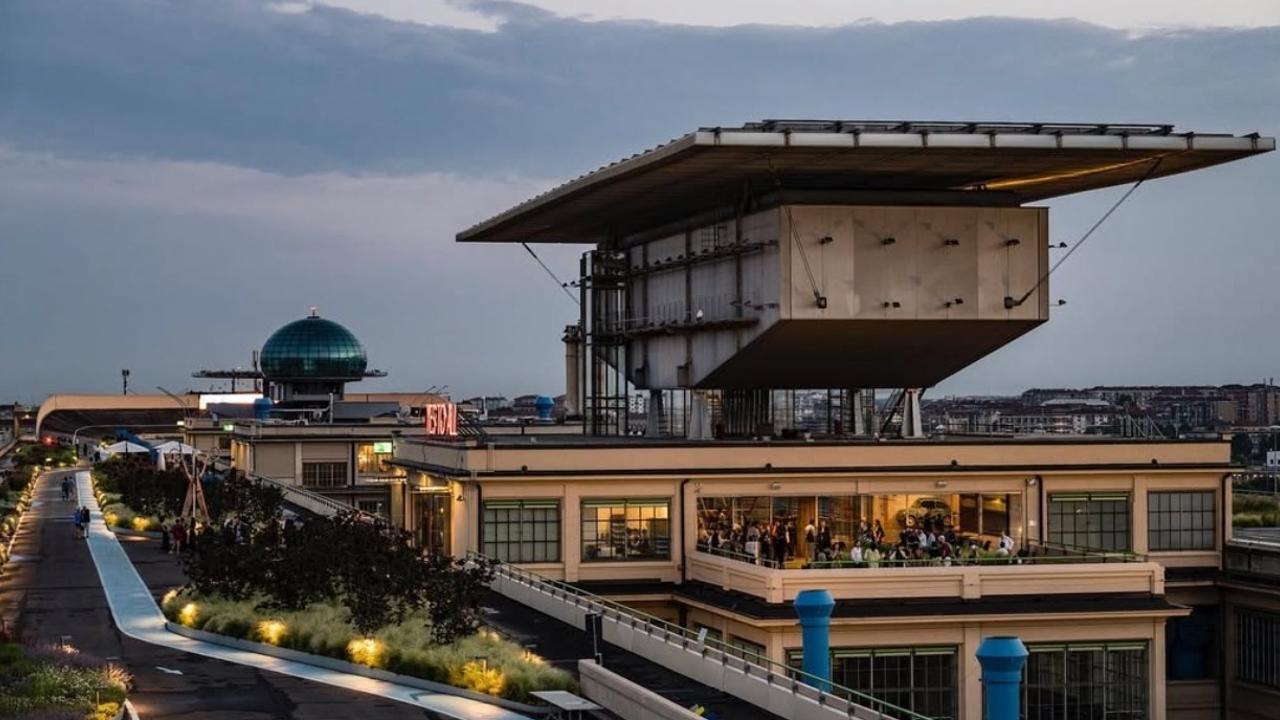
To understand why the Lingotto has remained so recognisable, two things are enough: the helical ramps and the test track on the roof. In the former Fiat factory, designed by the engineer Giacomo Mattè Trucco from the 1910s onwards and inaugurated in 1923, newly built cars were tested on a circuit on the roof. The ramps that allowed the cars to climb up there are still in place.
After the transformation of the complex, designed by Renzo Piano, the track became the Pista 500: since 2022 it has housed a roof garden and an open-air exhibition route, curated by the Pinacoteca Agnelli, with contemporary art installations. Access follows the Pinacoteca's visiting arrangements.
The contrast makes up much of the charm of this stop: on top of a building conceived to produce and test cars there is now a green space, and the ramps and the track hold the two eras together without needing much explanation. If the track looks familiar, it is because in 1969 the Mini chase of The Italian Job was filmed here: we talk about it in the itinerary Cinematic Turin.

In Borgo Campidoglio, the museum has no doors: the artworks are on the walls of the low houses of an old 19th-century working-class district. This is the MAU, Museo d'Arte Urbana, founded in 1995, when a group of artists asked for the residents' consent and began painting the buildings of a working-class neighbourhood left on the margins.
The walls of the houses became canvases. Today there are more than two hundred works spread across dozens of buildings, and the contrast between old Turin architecture and contemporary art accompanies you as you walk. The MAU is one of the first open-air art museums in a major Italian city: public, free and permanent, created at a time when street art was not yet recognised as art. And you can visit it simply by walking through the district's streets.

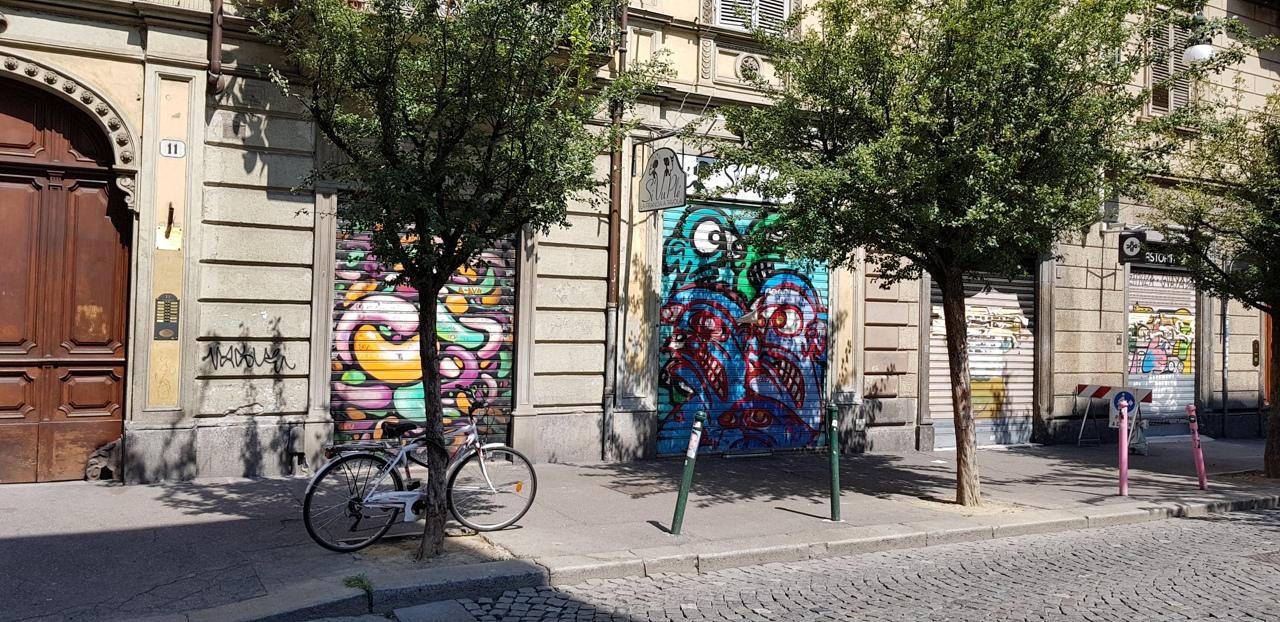
In San Salvario, even a closed shop shutter can have a story to tell. Over the past twenty years, painted shop shutters and murals on the blank walls of buildings have accompanied regeneration projects in this lively, multicultural neighbourhood.
The works speak of integration, coexistence and identity, and are part of the neighbourhood's everyday life, among shops and homes. Art hasn't erased social problems, of course, but it has helped create beauty, opportunities for dialogue and a sense of belonging. Here, there isn't just one particular painting to seek out: it's worth walking through the streets and discovering the works one after another, in their own surroundings.

Four painted cooling towers, with a story behind them that also belongs to the political history of Turin's street art. The mural is dedicated to Bobby Sands, the Irish activist who died during a hunger strike in 1981, and remembers him with the symbols of Irish culture.
It was painted in 2014 by the writers Dolo, Gatto and XTRM on the towers of the former steelworks, in Parco Dora, as part of the project «Le stagioni di Sands», curated by the Associazione Fiori di Ciliegio. Here, colour does more than change the appearance of a wall: it keeps a collective memory visible and takes a stand. It's a different story from that of many murals created to regenerate urban spaces.
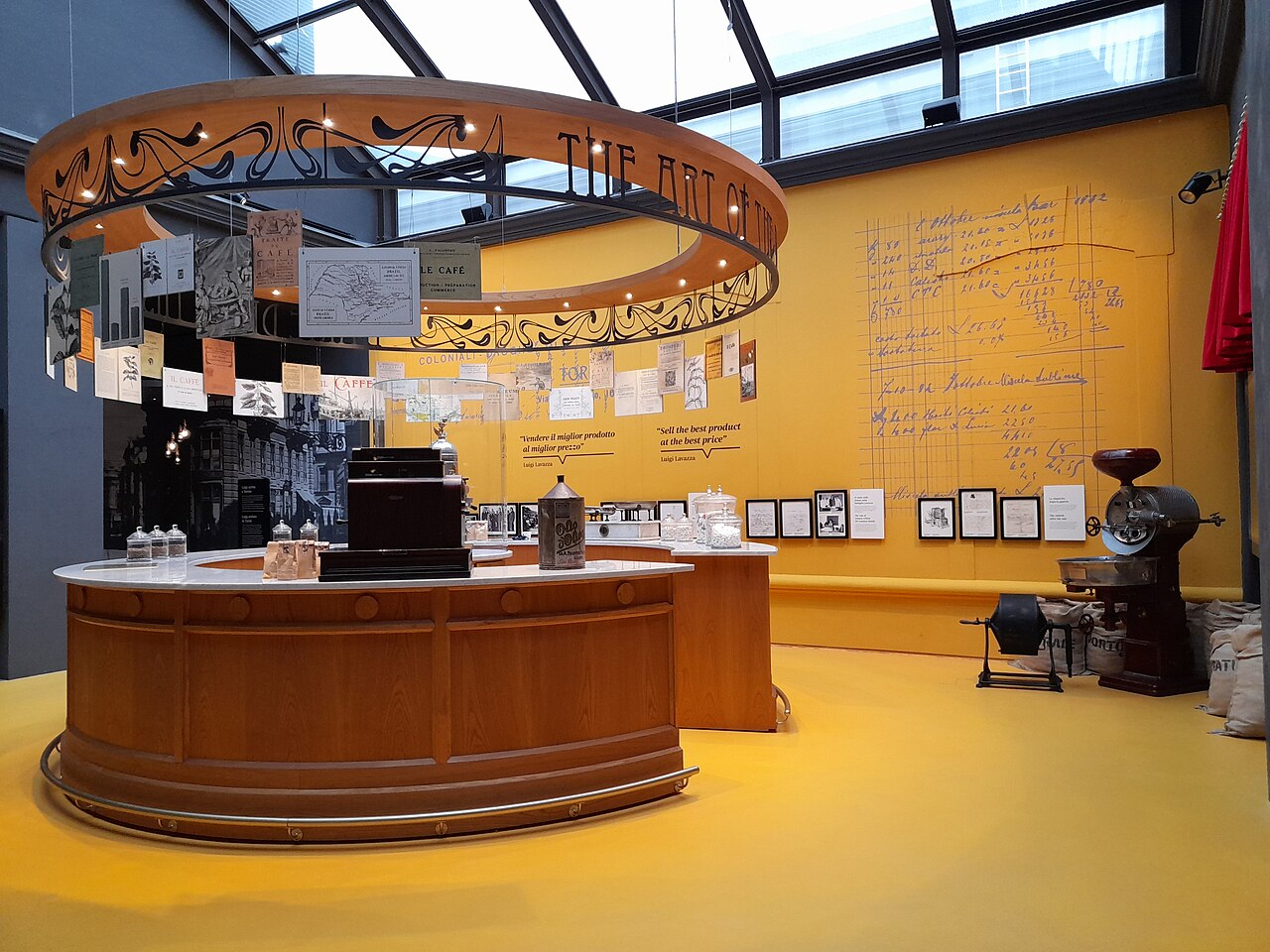
The museum where the works are not only to be seen, but also to be touched, tried and experienced through sounds, images and aromas that involve all the senses in an unpredictable itinerary.
Welcoming you to the Museum is the Lavazza Cup, the interactive coffee cup that will guide you along a personalised and highly experiential route.
Each visitor receives one at the ticket office; it allows you to activate the installations, deepen your knowledge through multimedia materials, gather information and take souvenir photos.

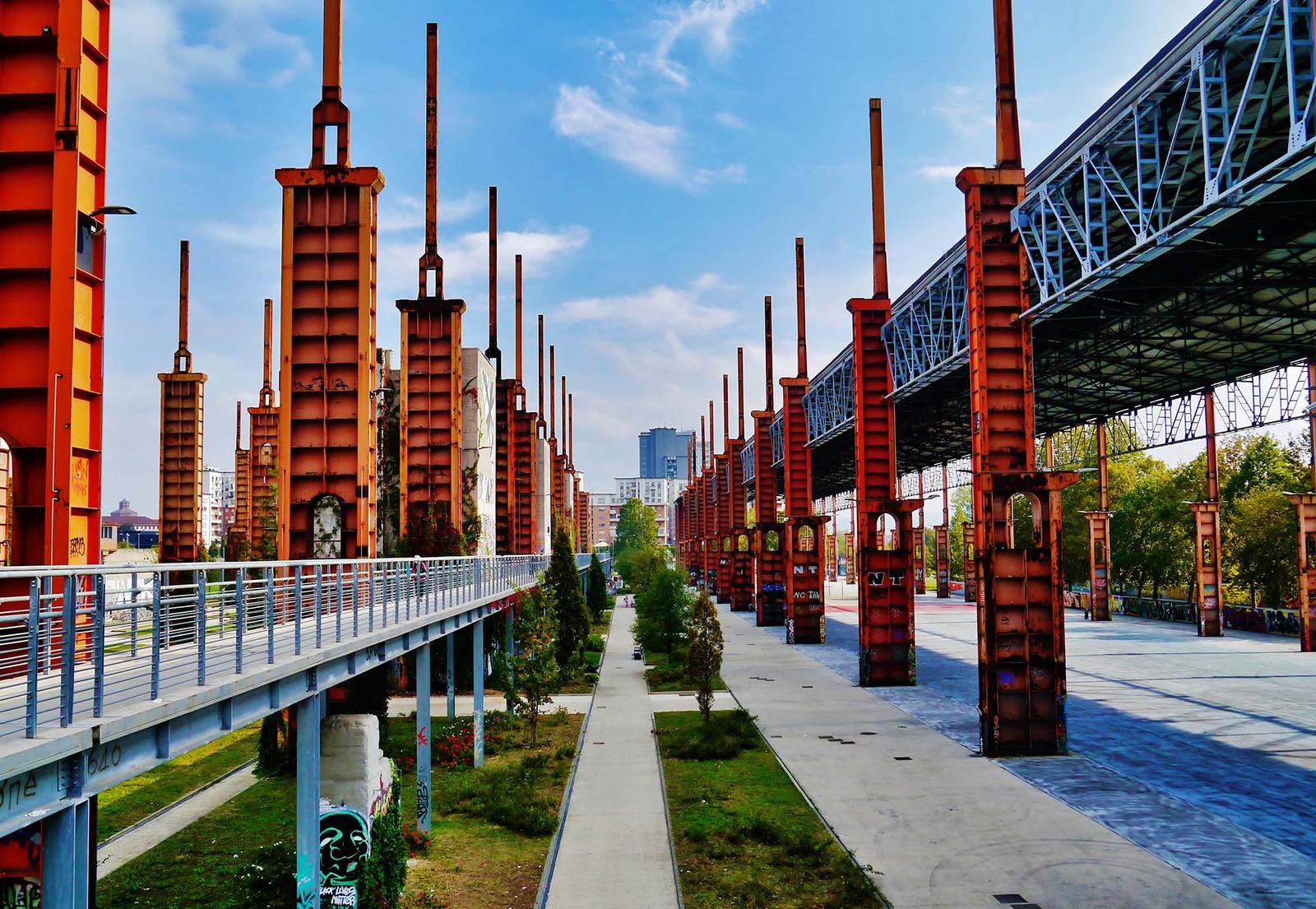
At Parco Dora the tall red metal pillars of the Vitali area rise above an open space, together with part of the roof of the old stripping shed. It is one of the most recognisable images of this large park, created where factories once operated, including the Ferriere Fiat and the Michelin plants.
The transformation has preserved many industrial structures, setting them alongside lawns, trees and footpaths. A raised walkway lets you see the park from above as well.
The rows of pillars create unusual perspectives, while steel and vegetation meet at every turn. If you like industrial architecture and urban photography, here you will find subjects very different from the squares and palaces of the historic centre.

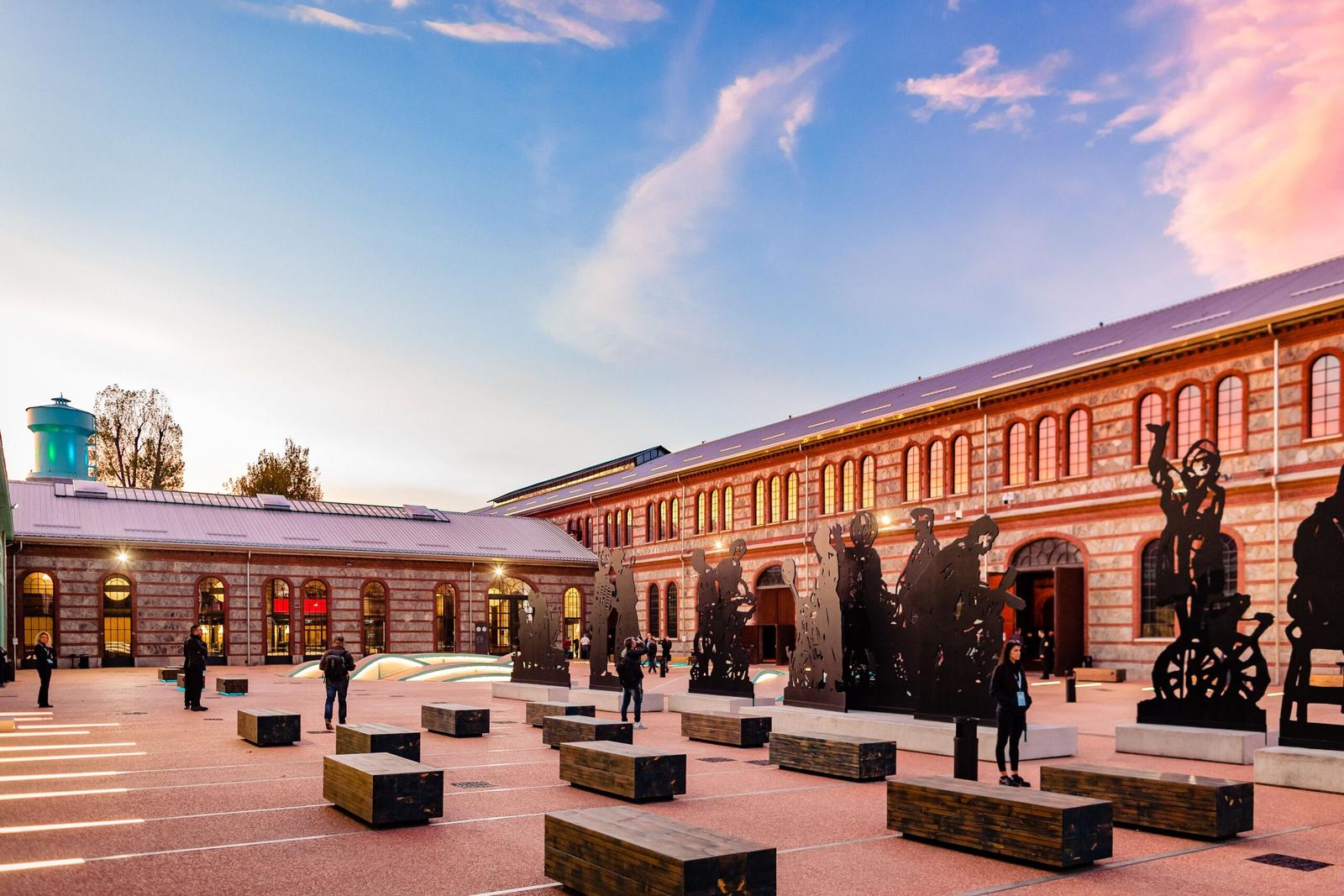
Entering the OGR Torino, the size of the spaces and the brick structures still tell of their first purpose. The complex was built at the end of the 19th century for the maintenance and repair of trains. Once the railway activity ended, it was recovered and reopened in 2017, becoming a venue for contemporary culture and innovation, with exhibitions, installations, concerts and talks.
What makes this history concrete has stayed on the floor: in some spaces you can still see the original tracks on which the locomotives came in. There is no need to imagine from scratch what that work was like, because a trace has remained there, in the middle of halls that have changed function. It is one of the stops where industrial Turin and contemporary Turin meet most clearly.
Even without a ticket there are permanent works to see. In the Corte Est you will find Procession of Reparationists, the metal figures made by William Kentridge in 2017; at the entrance of OGR Cult there is Track, the large mural painting by Arturo Herrera. These works are free during the opening hours of the spaces; temporary exhibitions and events may instead require a ticket or a booking.

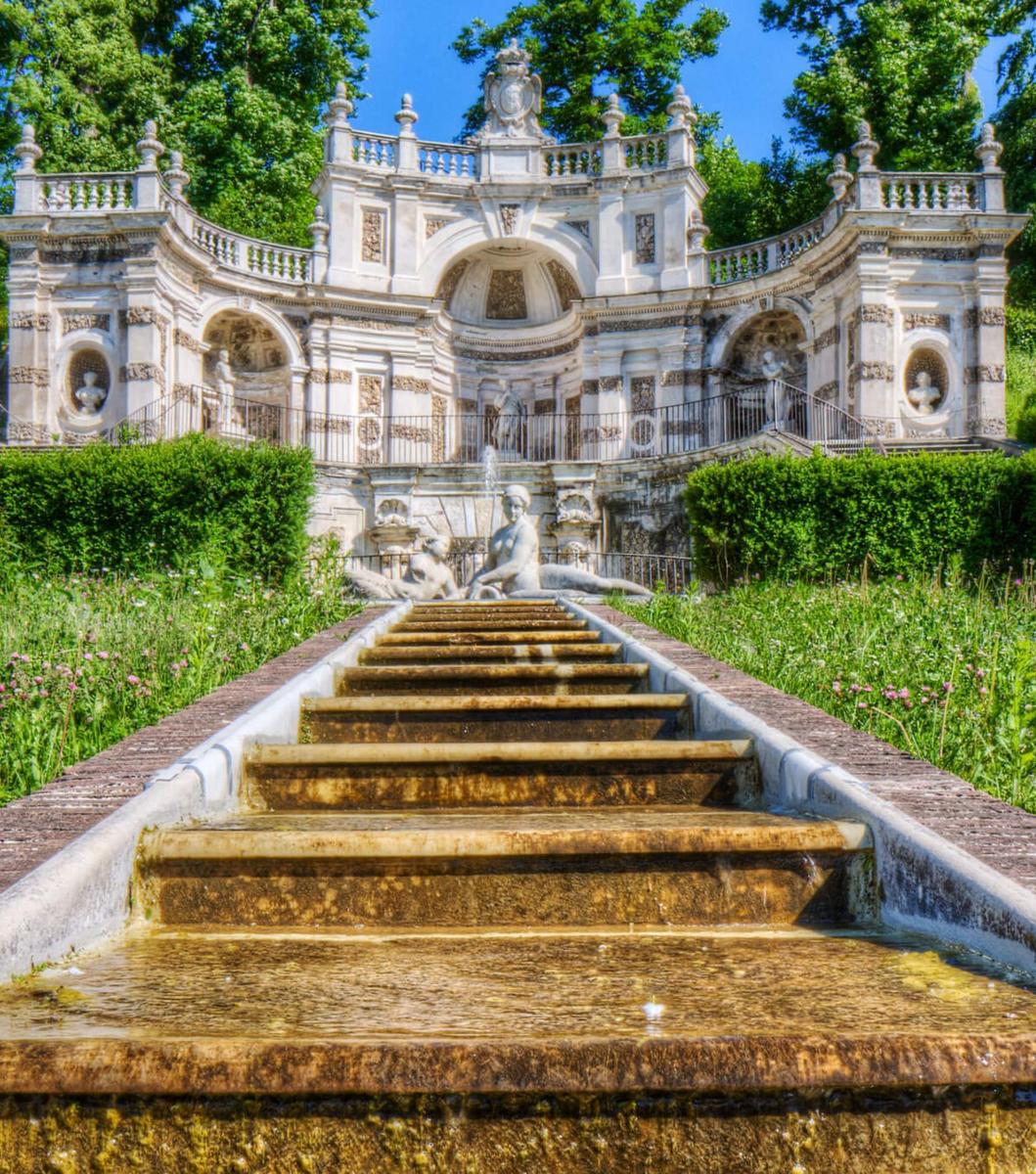
The first thing that strikes you on arriving at Villa della Regina is the layout of the gardens: terraces, flights of steps, fountains and pavilions, with a historic vineyard alongside, restored and once again productive. The villa is part of the Corona di Delizie, the group of Savoy residences intended for court life and holidays in the surroundings of Turin.
Prince Cardinal Maurizio di Savoia commissioned it in 1615; enlarged and transformed over time, it became one of the residences of Savoy princesses, duchesses and queens. In the eighteenth century, partly thanks to the work of Filippo Juvarra, the royal apartments and the great hall were enriched with decorations and furnishings of European taste, with exotic motifs and precious workmanship.

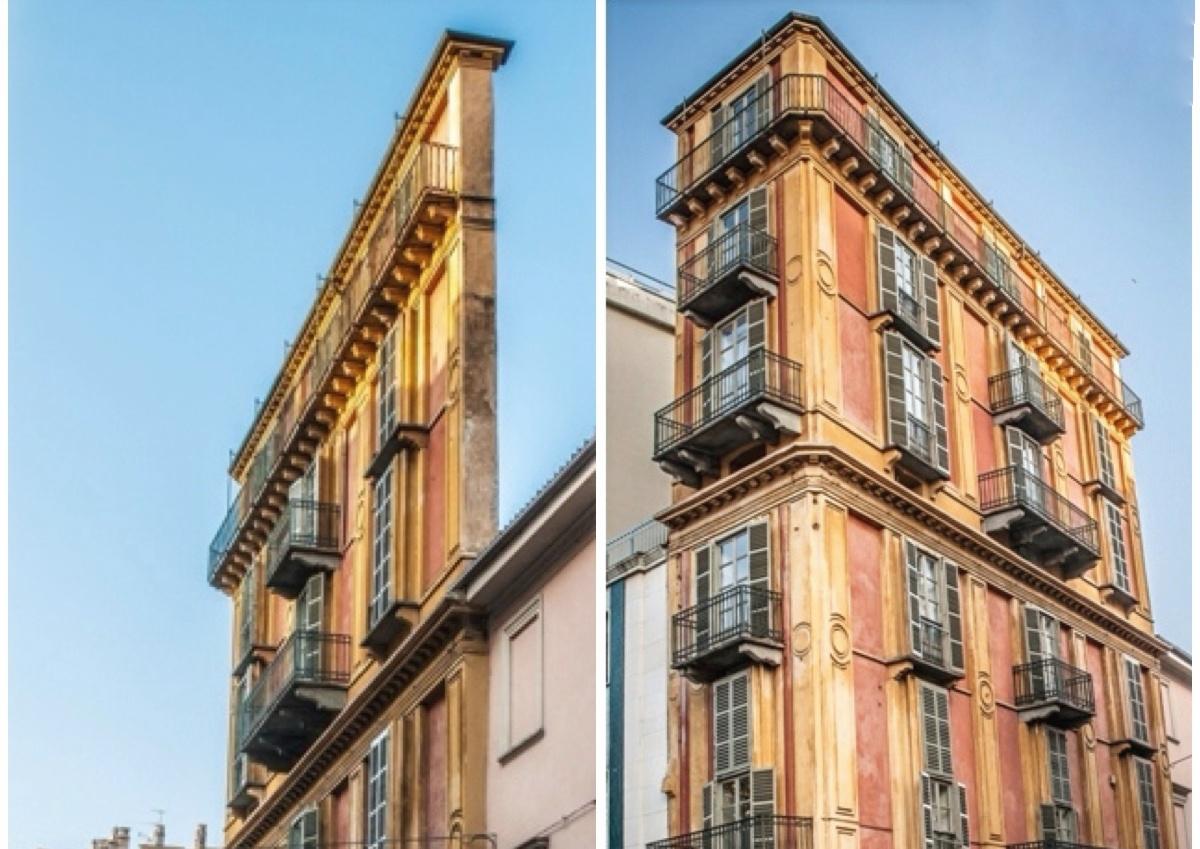
On the corner of via Giulia di Barolo and corso San Maurizio, in the Vanchiglia district, there is a house that seems to change shape as you walk around it. It is Casa Scaccabarozzi, known to the people of Turin as Fetta di Polenta (slice of polenta): the nickname comes from the yellow of the façades and above all from the incredibly thin plan, which on one side narrows to just 54 centimetres.
Alessandro Antonelli designed it starting in 1840; the building was later raised, with works continuing until 1881. The contrast between the height and the extremely narrow width of one end creates an unusual perspective effect.
Photograph it both from corso San Maurizio and from via Giulia di Barolo: the proportions will look very different. The house is private and is viewed from the outside.

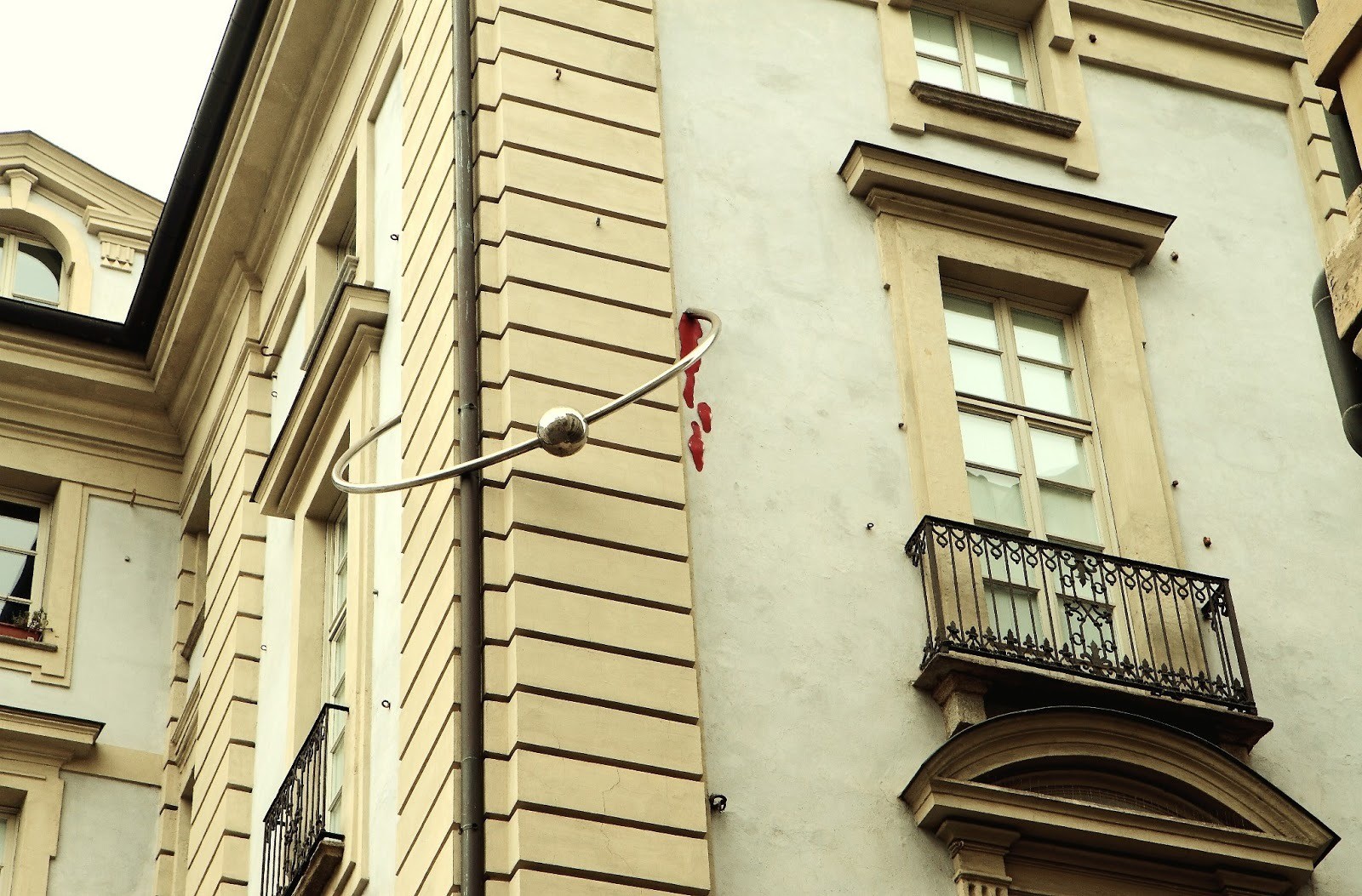
The Palazzo con il piercing, a contemporary work from 1996 known as Baci Rubati, was created by Corrado Levi in collaboration with Cliostraat, a group of artists and architects. Set on a historic eighteenth-century building in the heart of the Quadrilatero Romano, the Palazzo con il piercing is an evocative and rather unusual work. On either side of the piercing, at the two corners, there are drops of red and blue blood. The two colours probably represent nobility and poverty

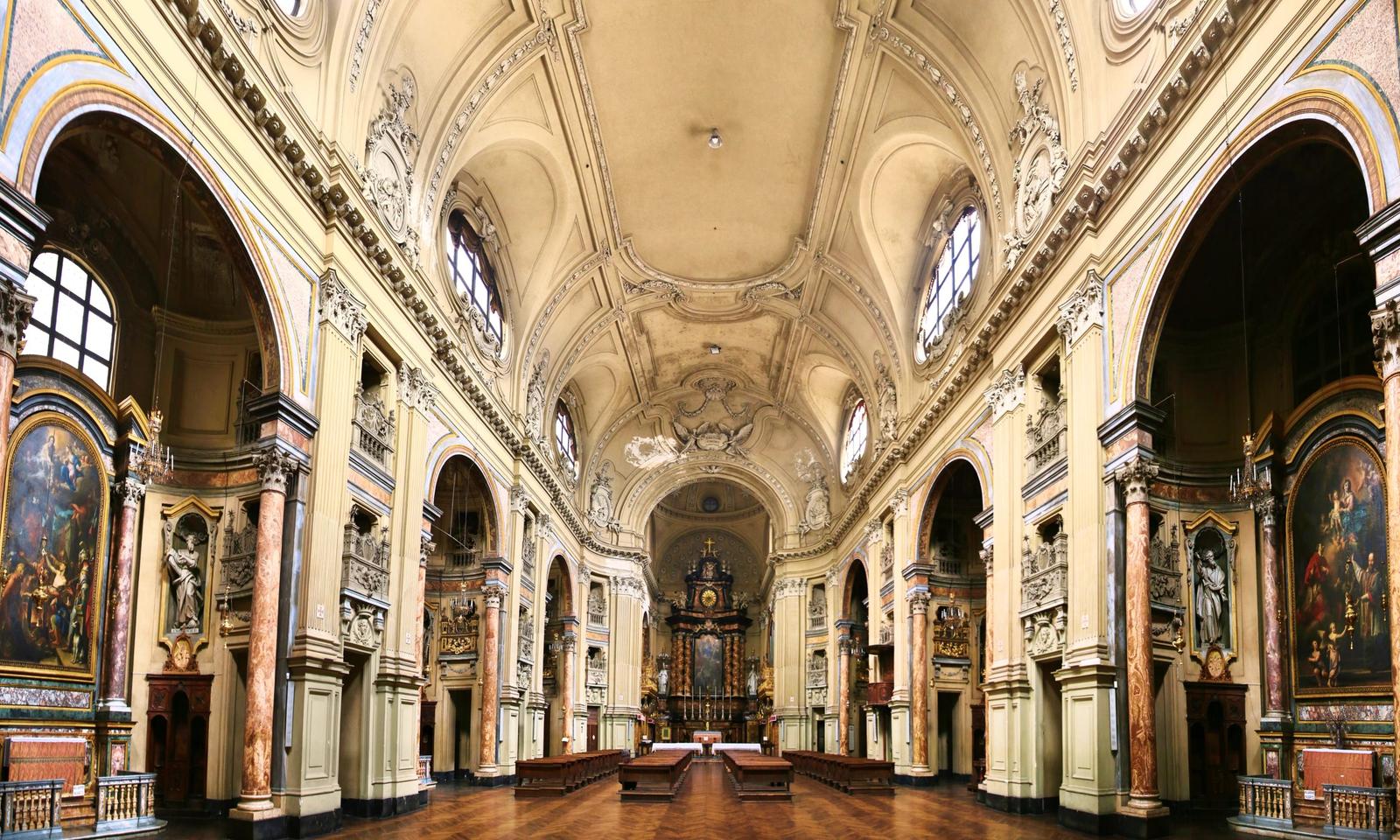
Entering San Filippo Neri, the first impression is one of space: a single, great nave, a barrel vault lit by side windows and elliptical chapels. It is the largest church in Turin.
Its history, however, has not been simple. Work began in 1675 to a design by Antonio Bettino. In 1714, after the damage of the siege of the city and because of structural problems, the dome and part of the nave collapsed.
The reconstruction passed to Filippo Juvarra, who drew up the final design, carried out from 1730 onwards. The façade with its neoclassical pronaos came instead in the nineteenth century, completed by Giuseppe Maria Talucchi.
The interior shows well how Juvarra could achieve a monumental effect by working on simple geometries and ample proportions, with no need to complicate the forms.

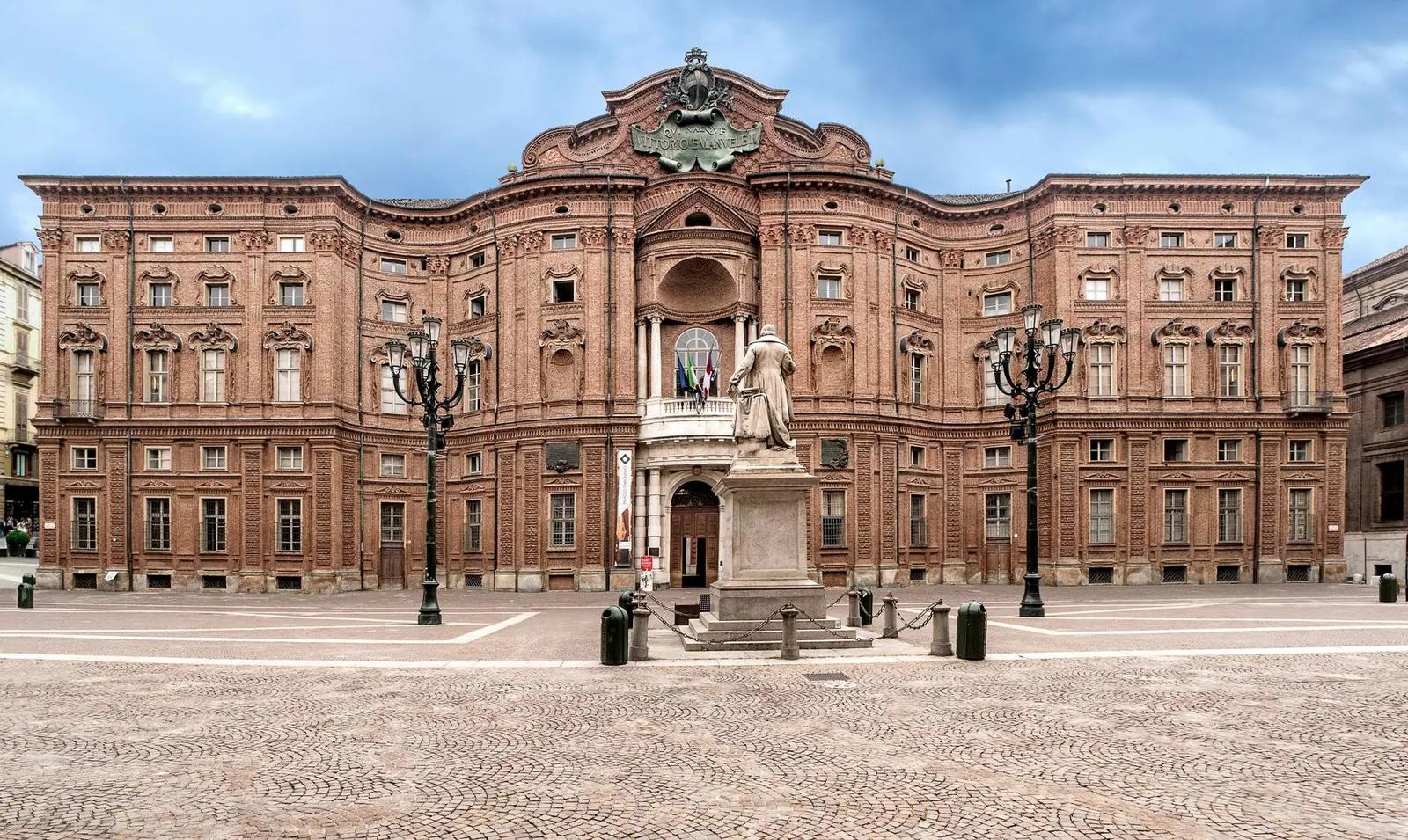
The façade of Palazzo Carignano seems to move: it projects outwards and curves back in a succession of concave and convex shapes, all built with shaped bricks. Even the frames and decorative motifs are made of brick.
It was Emanuele Filiberto di Savoia-Carignano who commissioned Guarino Guarini to design the palace in 1679. The exterior decorations include stylised figures wearing feathered headdresses, referring to Native Americans. Inside, the rooms are arranged around an oval entrance hall.
The palace later housed the Subalpine Parliament. Today it is home to the Museo Nazionale del Risorgimento Italiano, which preserves the Chamber of Deputies' hall inaugurated in 1848.
On the opposite side, facing piazza Carlo Alberto, the façade changes completely: it belongs to the nineteenth-century extension.

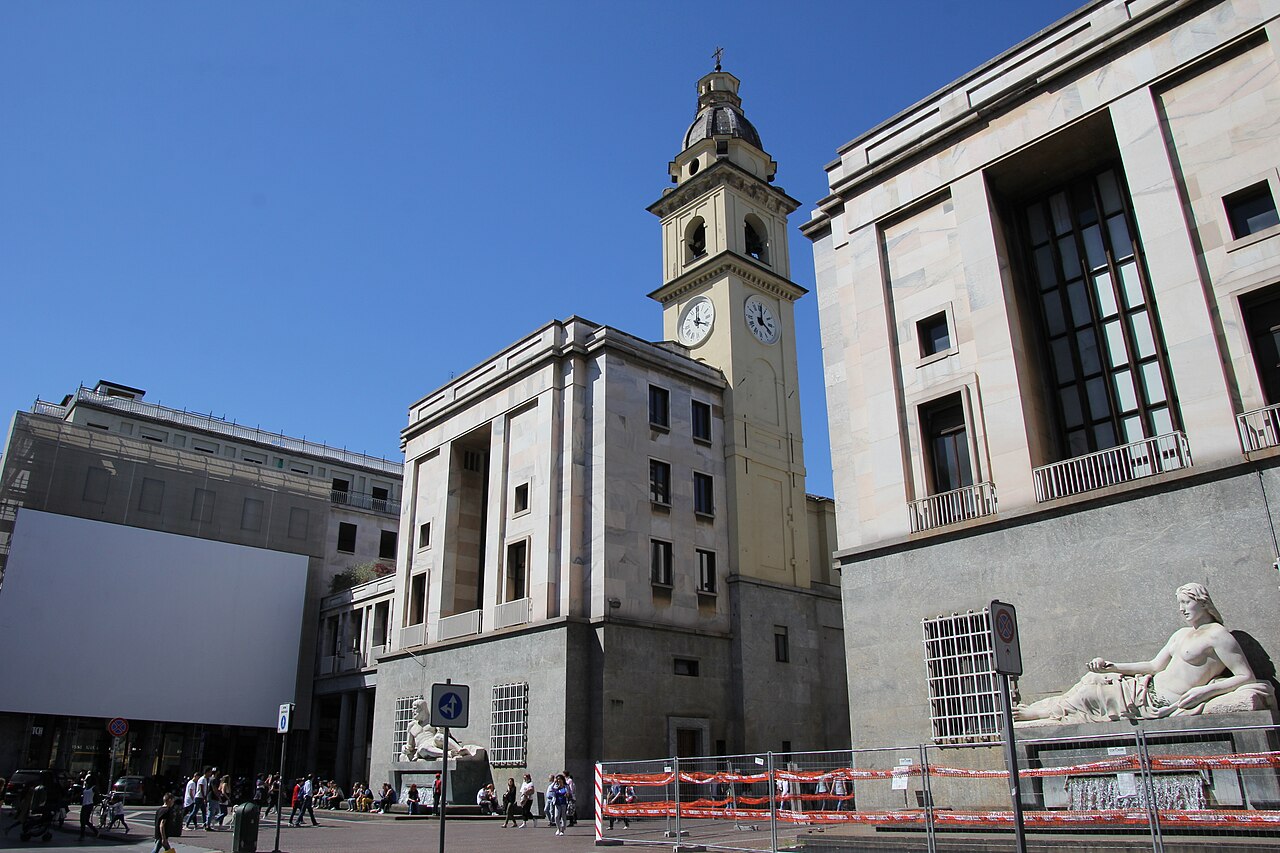
Behind the two churches of piazza San Carlo are the fountains of piazza C.L.N.; the Blue Bar of Profondo rosso, however, is no longer there. In fact it had never been a real bar: for Dario Argento's 1975 film a set was built, inspired by Edward Hopper's painting Nighthawks. It was the bar where Marc Daly, the pianist protagonist, meets Carlo. Other sequences of the film were also shot in the square.
The rest of the setting is still recognisable: the rationalist layout of the 1930s, the façades of the buildings and the two great fountains representing the Po and the Dora Riparia, the work of the sculptor Umberto Baglioni. The Blue Bar disappeared after filming, but the scenes can be found again even without it.

Some of the courtroom halls you see in the series La legge di Lidia Poët are in fact historic rooms of Palazzo Falletti di Barolo, in the Quadrilatero Romano. To recreate those interiors, the production also used the former Curia Maxima in via Corte d'Appello.
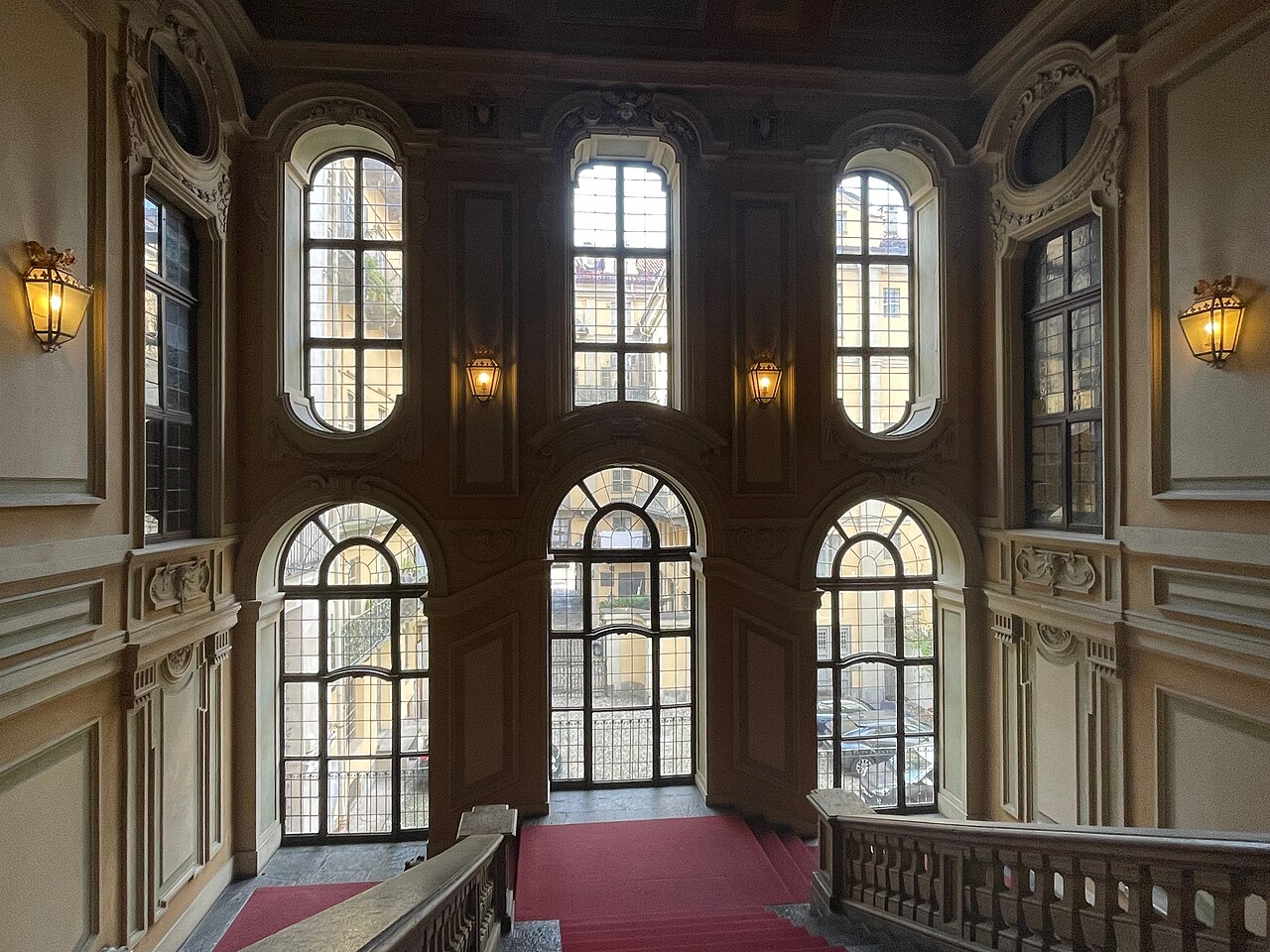
The palazzo is a noble residence from the late seventeenth century, linked to the family of the marquises of Barolo. In the nineteenth century it was the home of Tancredi and Giulia Falletti, known for their philanthropic initiatives, and it also hosted the writer Silvio Pellico. Here the aristocratic rooms that cinema and television use to portray nineteenth-century Turin can be seen up close. Unlike many private buildings used for filming, Palazzo Barolo does in fact have spaces open to visitors, according to the access arrangements set by the institution.

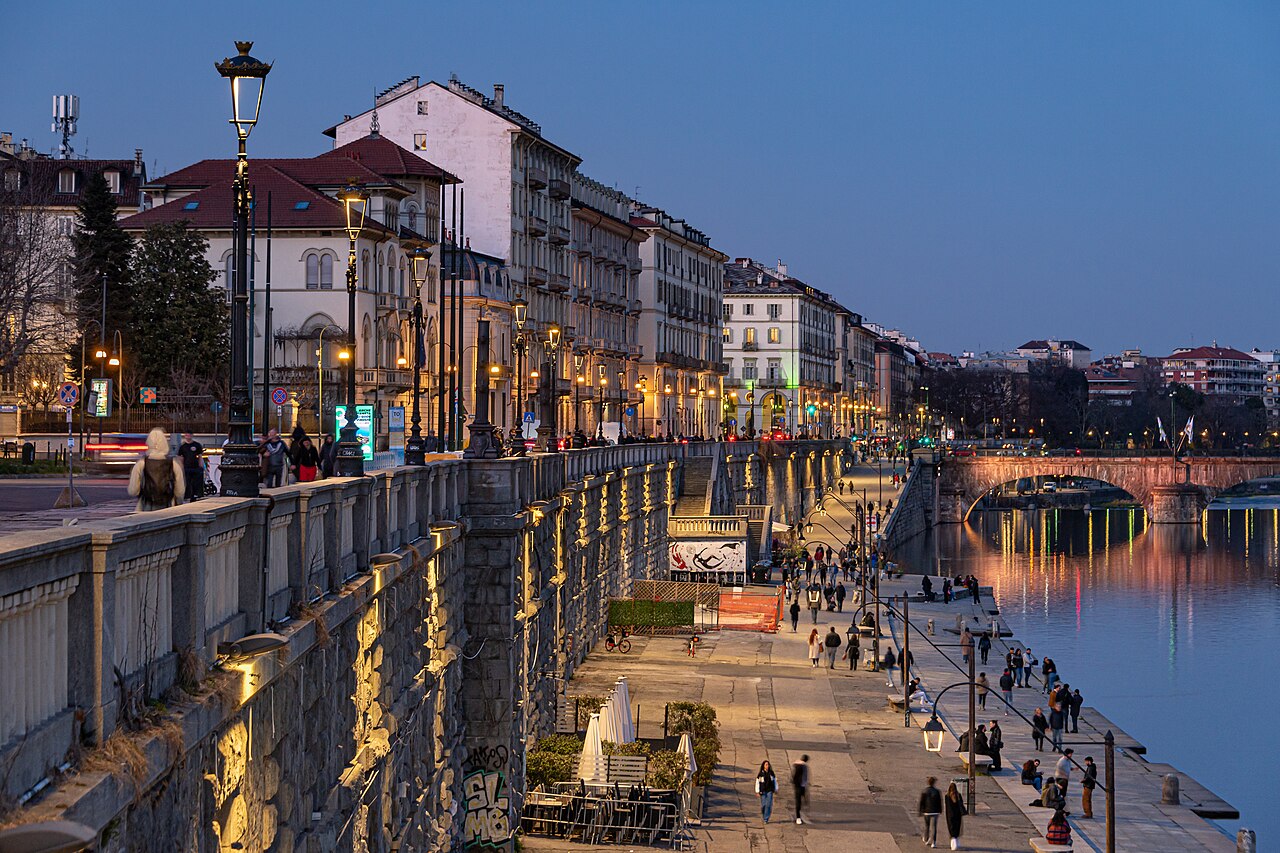
From piazza Vittorio Veneto you go down towards the river and the centre changes face. At the Murazzi you have the Po on one side and the city's high walls on the other, broken by the great stone arches. Built in the nineteenth century to contain the river's waters, the arches also served as shelter for boats. Over time they became meeting places, bars and venues for music.
The Murazzi appear in Fast X, which used several stretches of the Po banks for the action sequences. This riverside is also among the settings of Guida astrologica per cuori infranti, the Netflix series based on Silvia Zucca's novel and shot largely in Turin. A walk here shows a city quite different from that of the great squares.

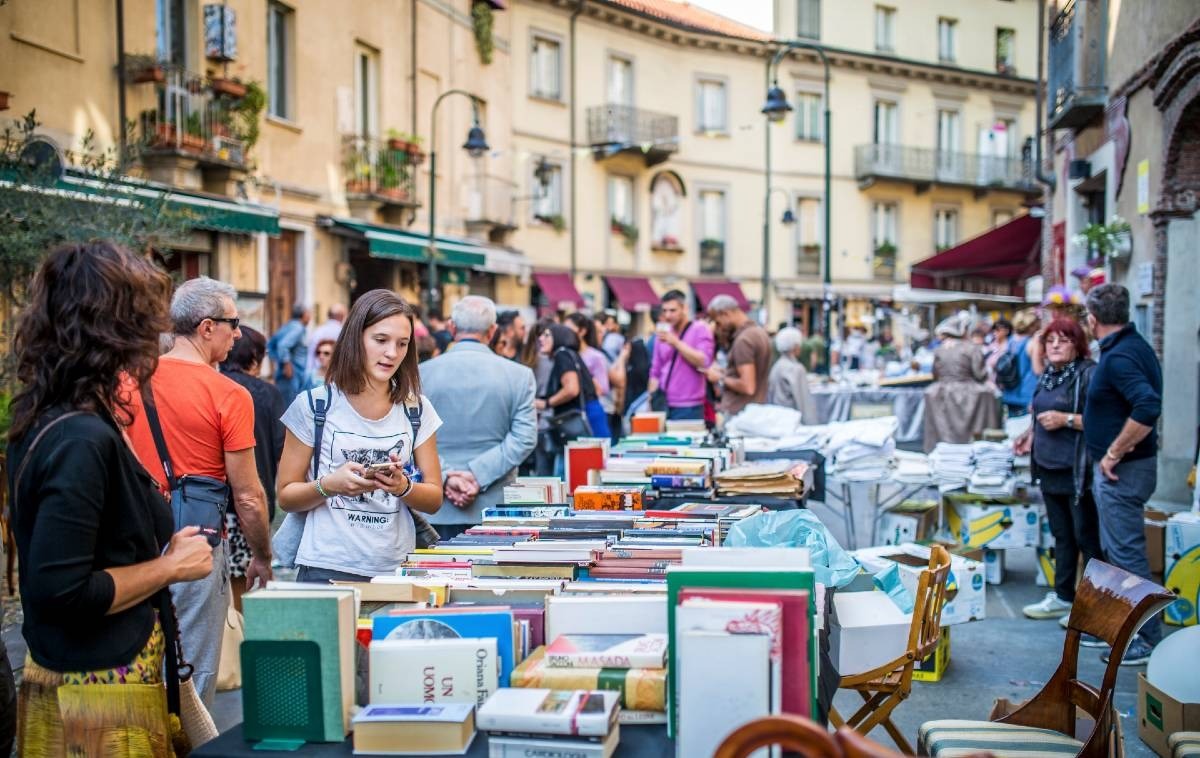
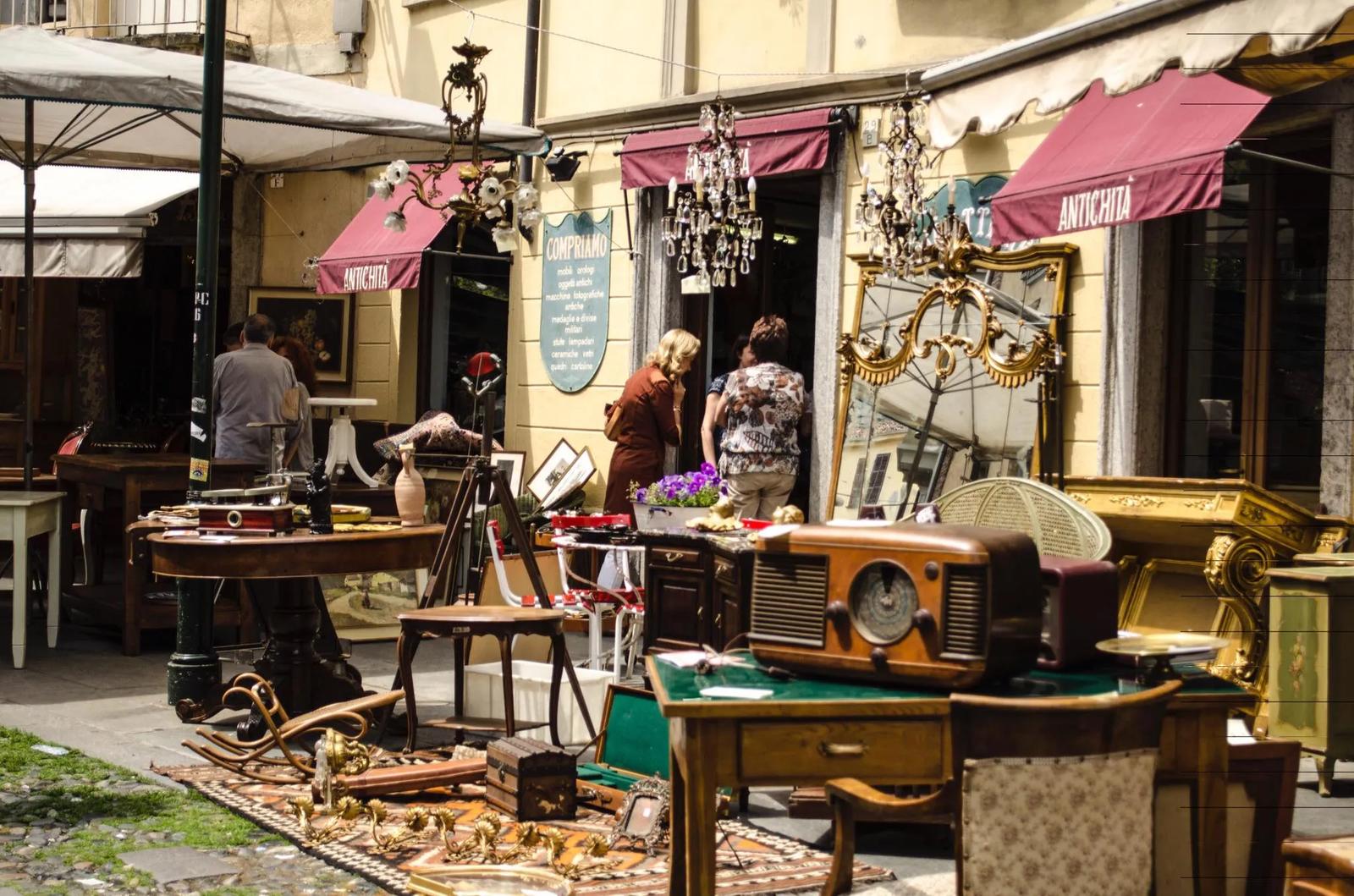
At the Balon the pleasure is arriving without a shopping list. Every Saturday the streets and little squares of Borgo Dora, behind Porta Palazzo, fill with stalls: second-hand clothes, books, furniture, ceramics, records, collectables and curiosities of every kind. It is Turin's historic flea market, and people come as much to rummage among objects of different periods and origins as to buy something.
The hot-air balloon is part of the Balon tradition and has become one of the symbols of the district. On the second Sunday of the month the market expands with the Gran Balon, devoted above all to antiques, vintage and collecting. On the other days the permanent shops of Borgo Dora remain, and they are still worth a look.

In Borgo Dora, during the Gran Balon, it is worth wandering around without any particular purchase in mind. This historic flea market takes over an entire neighbourhood and turns it into something like an open-air museum: among the stalls, you will come across rare vinyl records, antique furniture, vintage design pieces and curiosities for collectors. Sometimes you are looking for a particular item; at other times, an object catches your eye. If you enjoy rummaging through things from different eras and imagining where they might fit, this is a good place to take your time.
On the edge of the Porta Palazzo market, but also of Via Garibaldi. The Quadrilatero of Turin is the hidden centre of the city, made of narrow lanes and small squares. A tangle of narrow, very crowded streets, the Quadrilatero was in ancient times the castrum of Augusta Taurinorum. The slightly Parisian heart of the city, but done our way. It is home to some of the best-known traditional restaurants in Turin, but also to international cuisine. If you want to eat out or have a drink without a precise idea in mind, you just need to wander around a bit to find the place that suits you.

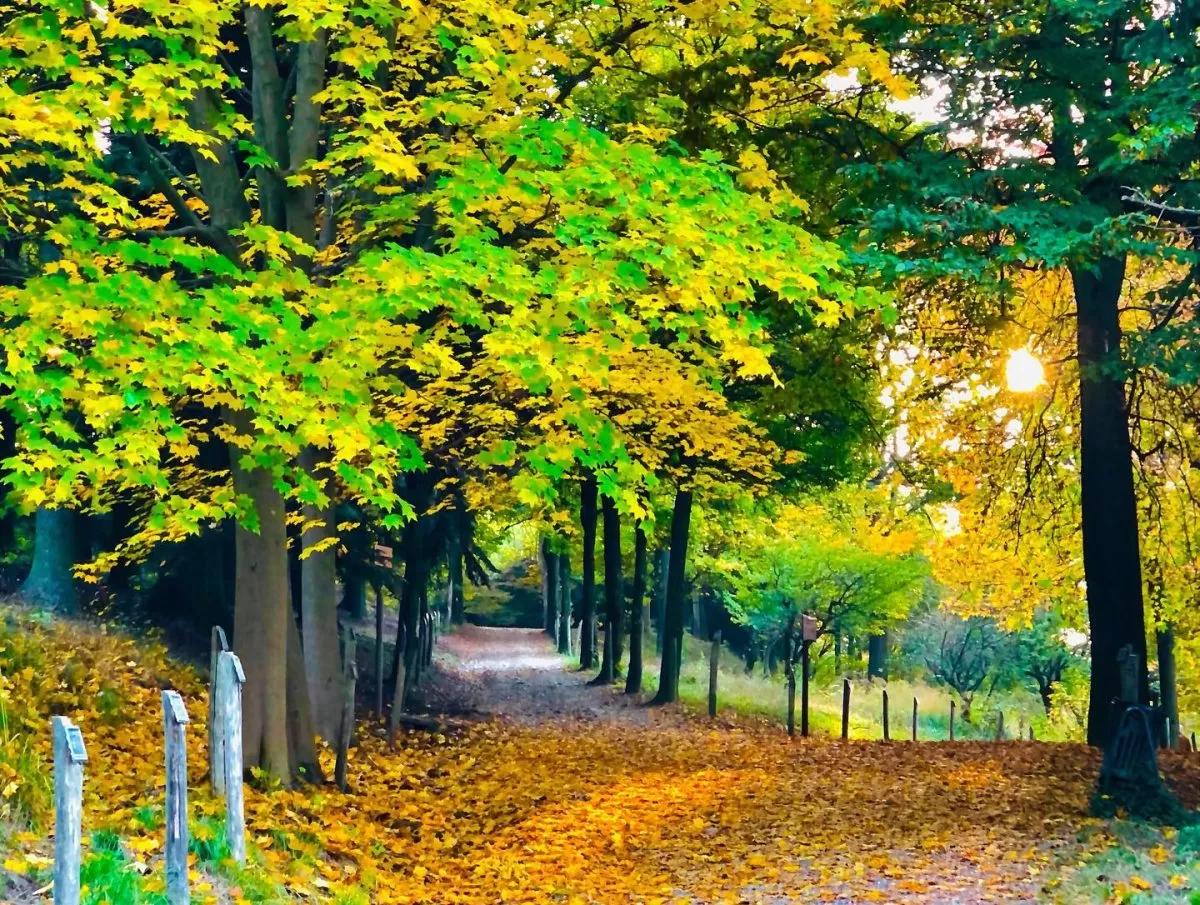
To see Turin from above you can drive up along the panoramic road that follows the crest of the hill. The colle della Maddalena, about 715 metres, is the highest point in the municipal territory. The park includes the Parco della Rimembranza, inaugurated in 1925 in memory of the Turin soldiers who fell in the First World War, and the Parco delle Repubbliche Partigiane Piemontesi. Thousands of trees of many botanical species line the roads and paths through the woods. At the top opens a large square: on clear days you will see Turin and the arc of the Alps. Here also stands the Faro della Vittoria, an imposing bronze statue of the Winged Victory, made by Edoardo Rubino and commissioned in 1928 by senator Giovanni Agnelli for the tenth anniversary of the Italian victory in the Great War.

According to some esotericists, the church of the Gran Madre is of fundamental importance because, between the two statues representing Faith and Religion, the Holy Grail is said to be buried.
It is a very evocative building, both for the construction itself and for its position, as well as for the meanings attributed to it by those who consider Turin the centre of a strong energetic power.
We use technical cookies needed for the site to work and, only with your consent, third-party cookies for visit statistics and embedded content (such as YouTube videos). You can accept them, reject them or choose which ones to enable. Cookie policy · Privacy