Turin isn't just a city of Savoy palaces. There's also the city of factories, designers and craftspeople who have learned to use buildings and materials in new ways. It's no coincidence that Turin was the first Italian city to receive UNESCO's Creative City of Design designation: here, design isn't confined to museums but finds its way into restored historic blocks, shared spaces, independent workshops and even the structures of a tree-filled apartment building.
On this itinerary, we invite you to explore precisely these transformations. You'll start with photography, move on to a place where designers meet and collaborate, then visit the workshops of San Salvario and a piece of architecture that brings together homes, materials and greenery. There's also the Lingotto, with its rooftop track, as a reminder of the industrial Turin where this story begins.
It's a route to explore on foot and by metro, discovering how the city has found new uses for its industrial heritage. Before setting out, check the venues, current exhibitions and whether the workshops are open to visitors.
On foot Walking: 9.3 km, 2 h 20 min
-
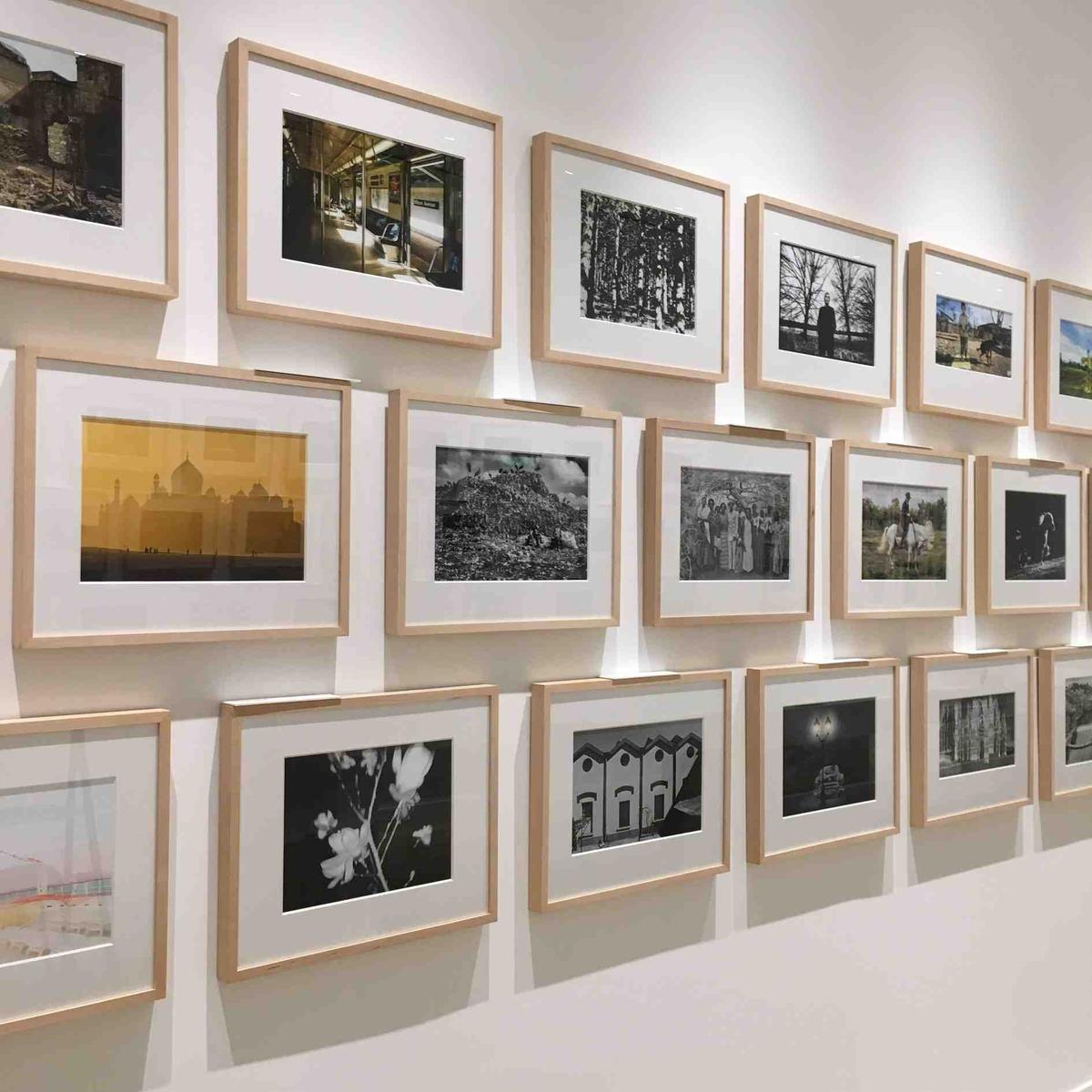 Camera: Italian centre for photography
Camera: centro italiano per la fotografia
CAMERA – Centro Italiano per la Fotografia – Where design meets the image
Photographic minimalism in a historic building: you'll begin by discovering how a monumental Baroque block can be transformed, thanks to skilful architectural restoration, into one of Europe's brightest cultural centres, where natural light itself becomes a design element.
-
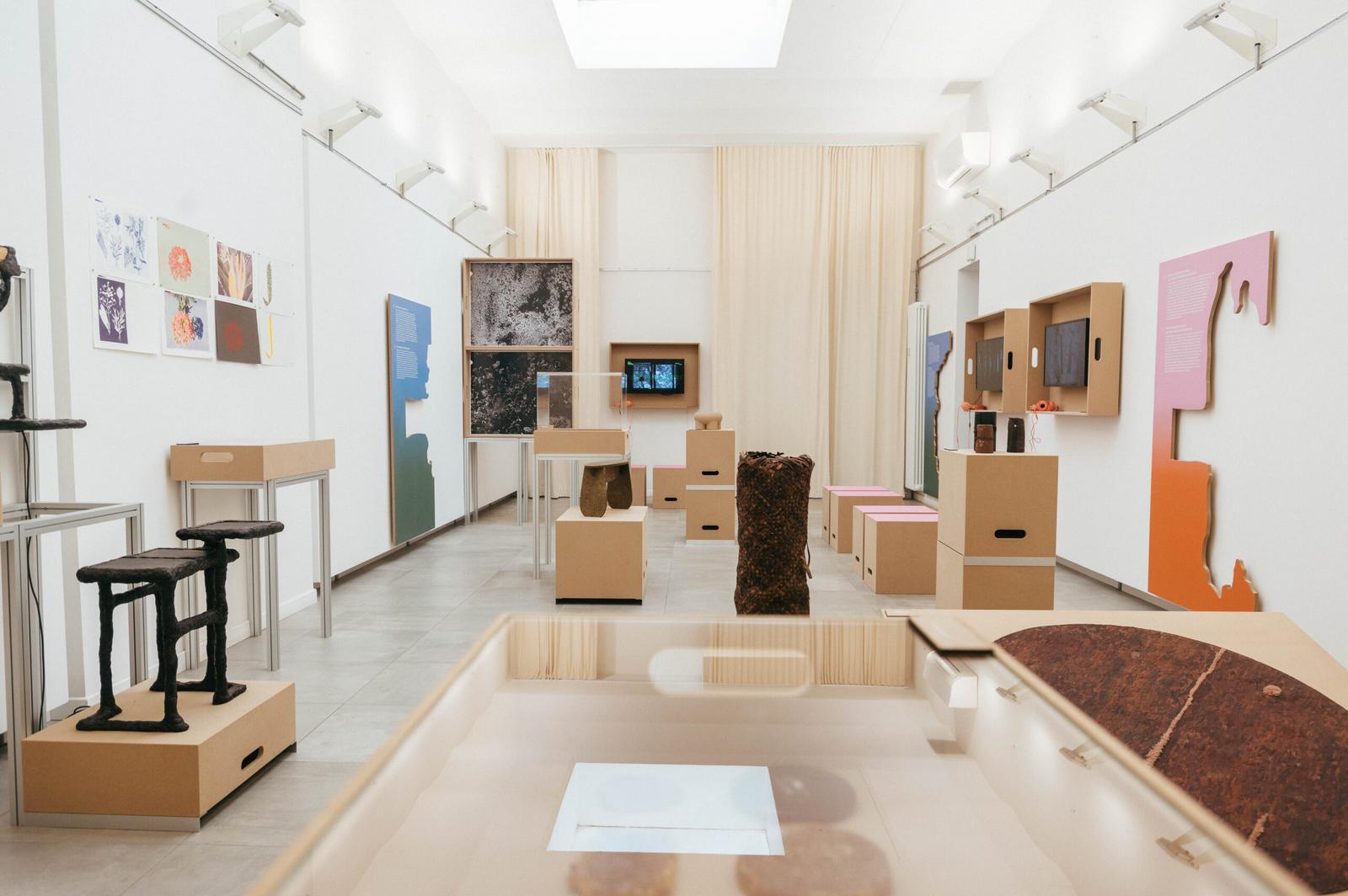 Circolo del design
Circolo del Design – The beating heart of creativity
The hub for Turin's creative community: we'll take you to the headquarters where the city's visual future is shaped, a multifunctional space hosting temporary exhibitions where the best local designers meet to collaborate.
-
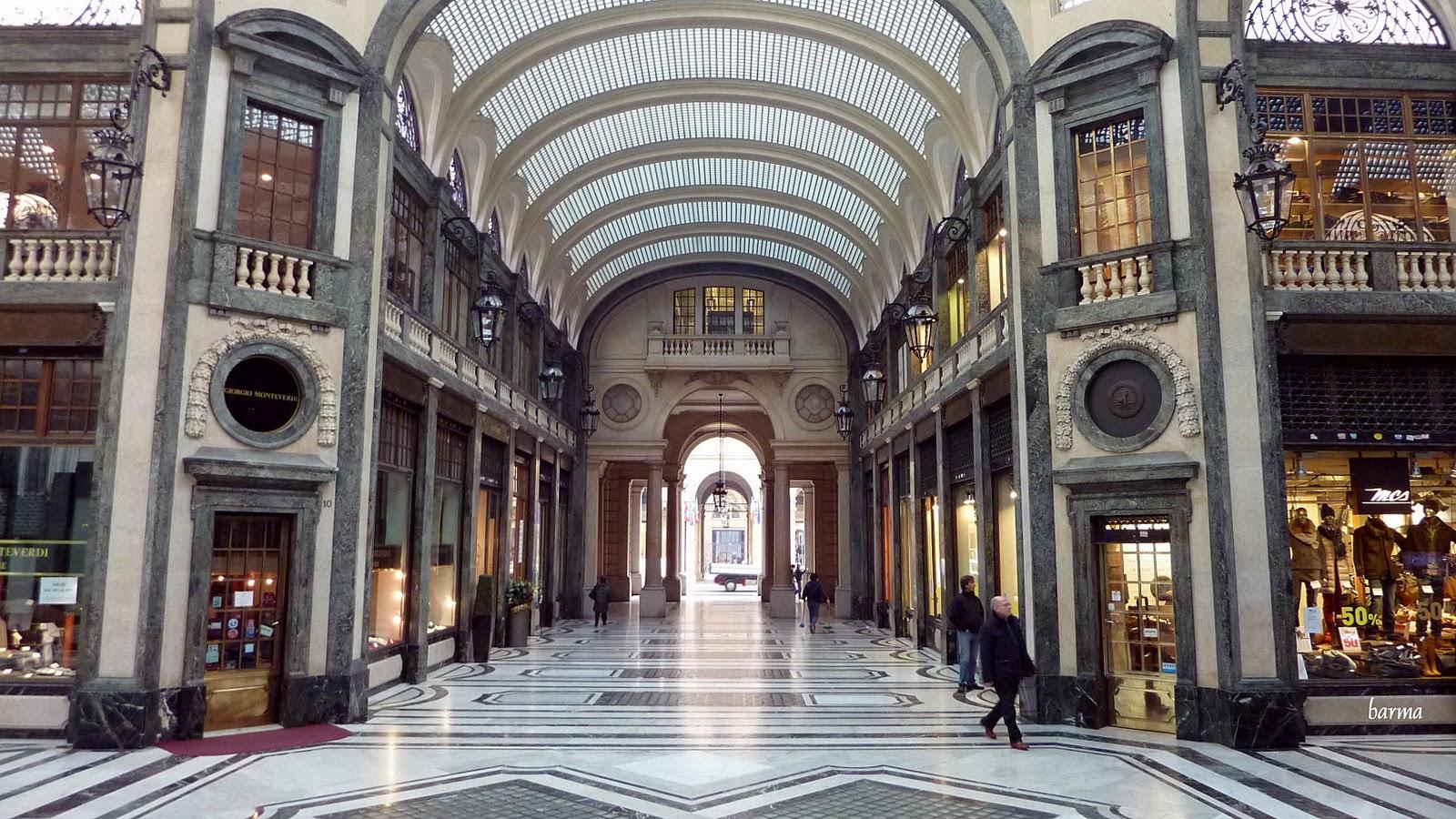 Galleria San Federico
Galleria San Federico – The Design “Passage”
Covered passages and the contrast between two eras: you will walk through two historic shopping arcades just a few steps apart. The first is a nineteenth-century triumph of wrought iron and glass, a symbol of the Industrial Revolution; the second is an eclectic arcade from the early 1930s, all marble, columns and a great central dome. It also houses a historic cinema, the Lux, opened in 1934 and renovated in 2004.
-
 Street workshops in San Salvario
Independent makers’ workshops in San Salvario: you will discover the lively heart of contemporary craftsmanship. No big chains, just independent workshops where designers and ceramicists create one-of-a-kind pieces, turning reclaimed metal and wood into affordable works of art.
-
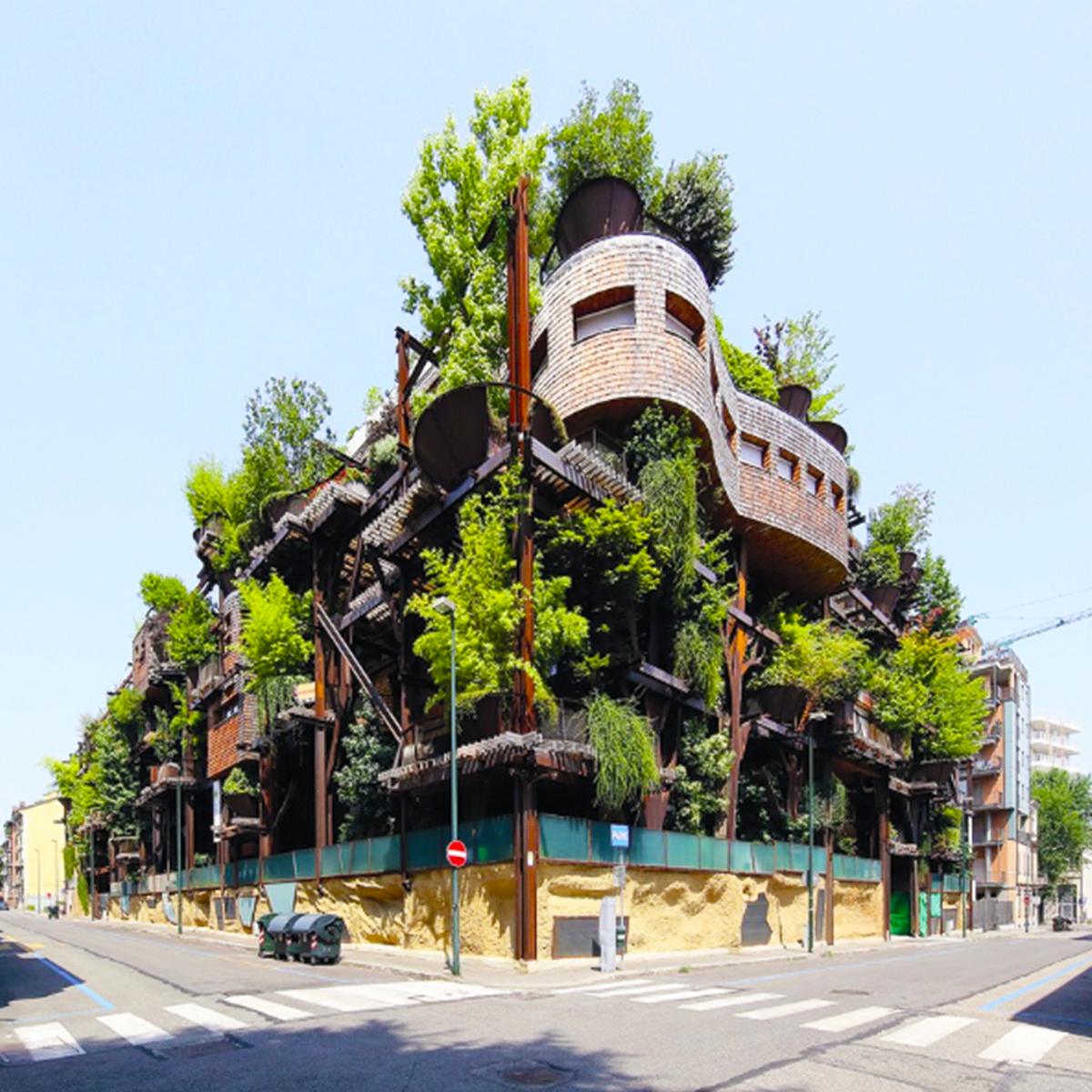 Condominio 25
 Verde
Trees grow on the terraces, while the steel structures look like trunks and branches: the Condominio 25 Verde, in Via Chiabrera, a short distance from Parco del Valentino, is a house where architecture and vegetation truly intertwine.
Read more
The architect Luciano Pia designed it and the building was completed in the early 2010s, with irregular terraces, wooden cladding and about 150 trees integrated into the steel and wood structures, in addition to the greenery of the inner gardens and the roofs. It is an experiment in bioclimatic architecture: the plants are not merely decorative, they shade the flats and help create a natural microclimate for those who live there. The result is a kind of inhabitable forest, where the boundary between building and vegetation becomes less clear.
Its appearance changes with the seasons. In spring and summer the vegetation dominates; in winter the metal structures stand out more clearly. It is a private building, but you can photograph it from the street: even without going in, the relationship between trees and structures is the main reason to stop and look.
-
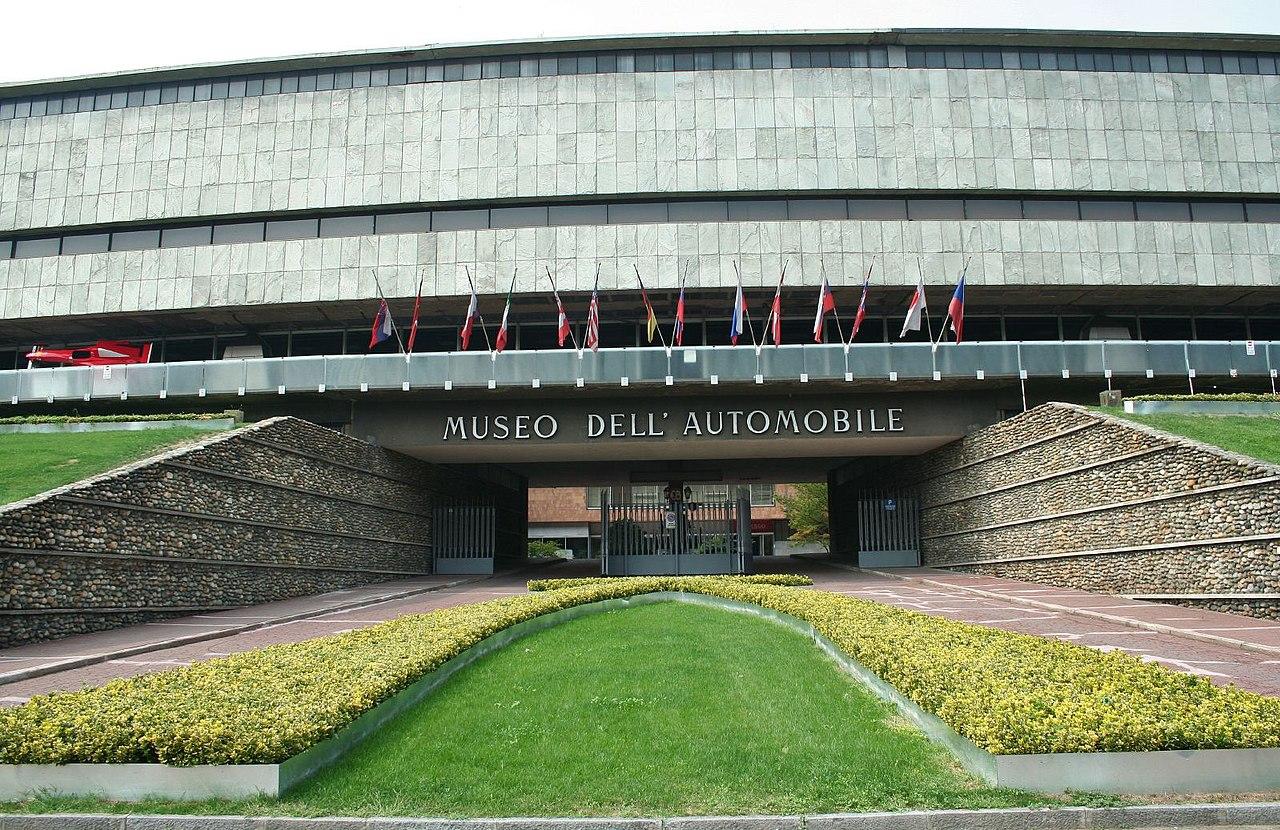 Museo dell'automobile
MAUTO – Museo Nazionale dell’Automobile – The temple of industrial design
The temple of automotive design worldwide: you will visit a revolutionary exhibition space, redesigned by a brilliant Swiss set designer, which transforms the history of the automobile into a purely visual and emotional experience, celebrating the work of designers Giugiaro, Pininfarina and Bertone.
-
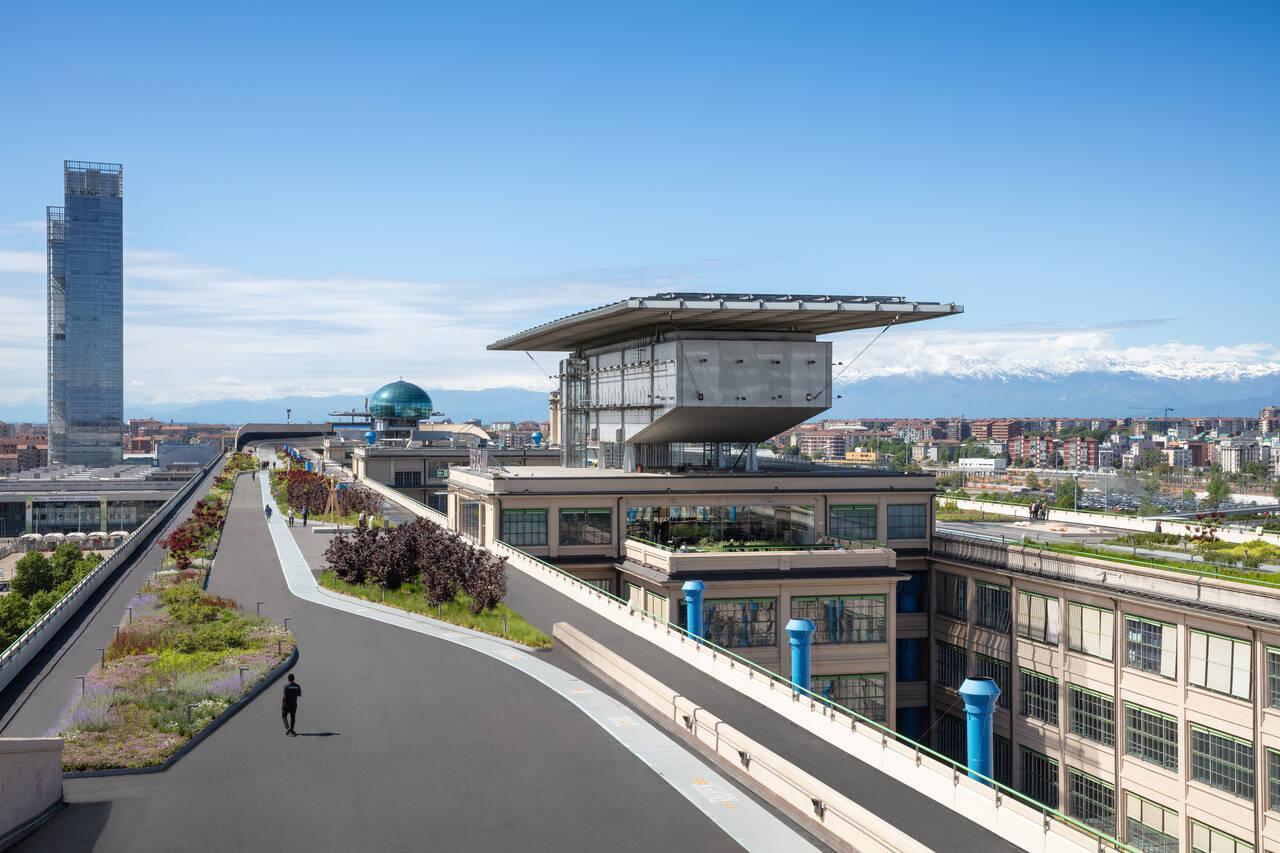 Lingotto, the rooftop track
The Lingotto
The Futurist dream on the rooftop: you will walk along the legendary test track suspended high above the ground, now converted into an innovative rooftop garden, on the roof of a factory that Le Corbusier called «one of the most impressive sights that industry has ever offered».
And… we’re off from here
For “Between UNESCO and Industrial Archaeology”, you set off from Colazione da Augusta after a homemade breakfast. Your car stays in the courtyard while you reach your destination on foot or by public transport. We promise to repeat that in the next itinerary too.
The route
The map loads after consent to third-party content (OpenStreetMap).
These are the essential stops, but there is much more
When you book your stay with us you receive the complete step-by-step itinerary, a practical box with directions to get there and back, tips on what to see and a final treat to round off the themed day.